Iran's 5 possible dangerous steps if Trump's 'deadline' ends, fear of major tension in the Middle East

Published: 04:16 13 April 2026
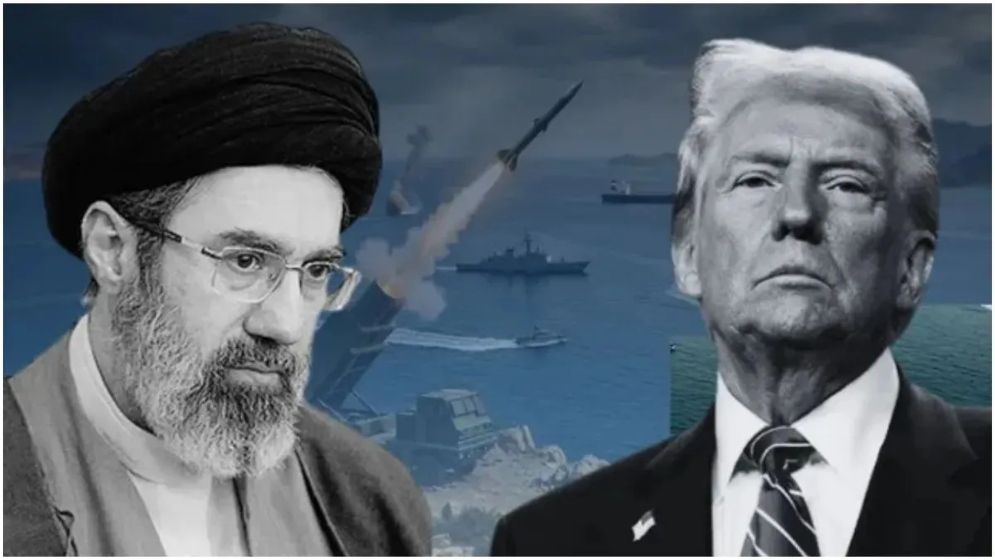
A new risk of war has emerged in the Middle East after US President Donald Trump gave Iran a deadline to open the Strait of Hormuz or sit for talks. There has been widespread concern in the international community about what kind of reaction Iran may show if the deadline ends.
According to experts, Iran may adopt a "layered asymmetric warfare" strategy instead of going into a normal defensive position, which aims to create maximum pressure on the United States and its allies and destabilize the global economy without resorting to direct war.
1. Global energy crisis by blocking the Strait of Hormuz
The Strait of Hormuz, one of the world's most important waterways, is Iran's biggest strategic pressure point. According to analysts, Iran can make this route dangerous through smart mines, drones or GPS jamming. If oil transportation is disrupted, oil prices on the world market could rise rapidly and the global economy could suffer a major blow.
2. Attacks on Gulf oil infrastructure
Iran could target oil installations and water treatment plants in Saudi Arabia, the United Arab Emirates and Qatar. It is feared that if these installations are hit, water and energy shortages could arise in major cities within just 48 hours.
3. Expansion of cyber warfare
Iranian-backed cyber groups could attack the power grids, water supply systems and hospital networks of the United States and its allies. At the same time, the risk of accidents at sea by confusing ship GPS signals could increase.
4. Activation of regional proxy powers
Iran could activate its allied groups - attacks on US bases in Iraq and Syria, disrupting shipping in the Red Sea through Yemen's Houthis, and increasing attacks against Israel through Hezbollah in Lebanon.
5. Creating diplomatic and economic pressure
Iran could offer “safe passage” to ships from China, Russia and some regional countries, which could weaken the Western sanctions framework. This also risks creating divisions in the international diplomatic alliance.
According to analysts, Iran’s main goal is not to achieve direct military victory, but to create a situation in which the costs of war and global losses increase so much that the United States and its allies are forced to seek a diplomatic solution.
In this situation, it is feared that any tension surrounding the Strait of Hormuz could have a major impact on global energy markets, trade and security.
Advertisement
Most Readed - International

- Actress Niti Taylor makes explosive allegation: Propositioned for sexual favors in exchange for work
- Hashmatullah leaves the field after injury while batting against Bangladesh
- Bangladesh Bank Offers Special Loan Facilities and Opportunities for Small Entrepreneurs
- Dilip Ghosh Alleges Bangladesh's Involvement in Indian Protests
- Government Working on Training and Rehabilitation of Expatriates Returning Home: Nur
- Rice prices rise by up to Tk 3 per kg; no relief in egg and chicken markets either
- Aamir Khan's niece reveals injury marks after detention in Mumbai
- Rashed Khan Accuses Jamaat Leader’s Advisor Over Defacement of Rabindranath Graffiti
- Messi Picks 10 Future Football Stars: Who Made the List?
- Preparations for fresh protests in Delhi; 'Cockroach Janata Party' gives police a 24-hour deadline
- Fuel for Rooppur Nuclear Power Plant Arriving in Bangladesh Today
- Cybercriminals Claim to Possess Data of 19 Million Pathao Users; $400,000 Ransom Demanded
- Messi bids farewell with a goal and assists, showered with love by teammates
- Ronaldo faces risk of 6-month ban for leaving national team camp
- Ronaldo shares emotional message upon Messi's retirement, expressing 'utmost respect'
- Jamuna Fertilizer Factory Shuts Down Again Just Two Days After Resuming Operations
- Countless Decembers will come and go, but Sheikh Hasina will not return to the country: Rashed Khan
- Three-Day Mosquito Eradication Drive Begins in Savar's Bongaon
- Price of Low-Tier Cigarettes Raised Again; 10 Sticks Now Cost Tk 65
- Love, Resentment and ‘Write to the Address of the Sky’: The Untold Story of Rudra and Taslima