Obesity Is a Disease, Six Essential Steps for Prevention

Published: 03:07 4 March 2026
Currently, more than one billion people worldwide are living with obesity, including nearly 400 million children and adolescents. If current trends continue, experts warn that by 2035, half of the world’s population could be overweight or obese. Each year, approximately 1.7 million premature deaths are linked to obesity-related noncommunicable diseases.
In this context, World Obesity Day is observed globally on March 4. The 2026 theme emphasizes the urgency of prevention and collective responsibility in addressing this growing health crisis.
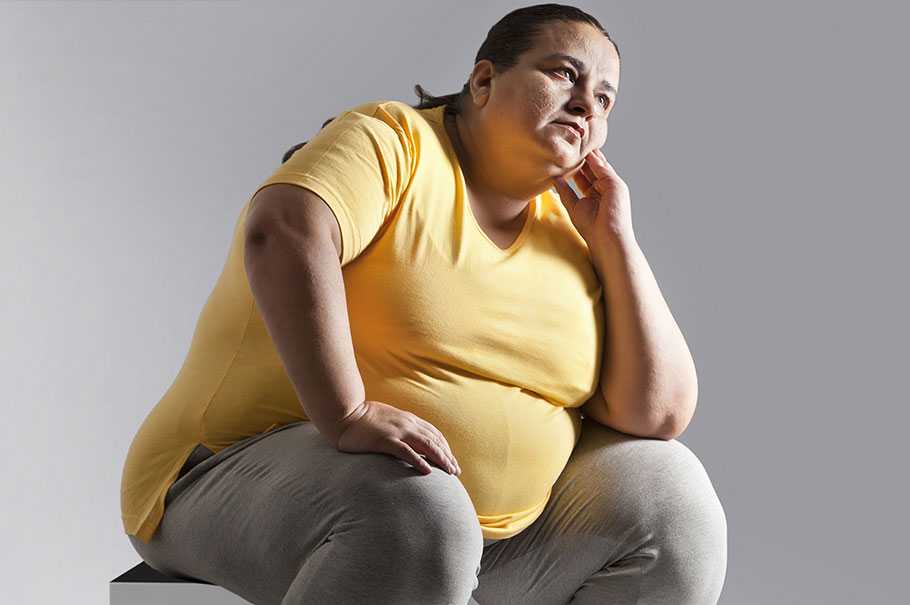
Health experts stress that obesity is not merely a cosmetic concern; it is a chronic, complex, and treatable disease.
Is Your Weight Within a Healthy Range?
A simple way to assess whether your weight is healthy is by calculating your Body Mass Index (BMI).
Formula:
Weight (kg) ÷ [Height (meters)]²
BMI Classification (International Standard)
- 25 or above → Overweight
- 30 or above → Obesity
- 40 or above → Severe obesity
For Asian Populations
- 23 or above → Overweight
- 27 or above → Obesity
Waist circumference is also an important indicator. Health risks increase when waist size exceeds 90 cm for men and 80 cm for women.
Why Is Obesity Dangerous?
Obesity is linked to more than 400 medical conditions, including:
- Type 2 diabetes
- High blood pressure
- Heart disease and stroke
- Fatty liver disease
- Kidney disease
- Infertility
- Certain cancers
- Mental health disorders
Obesity affects nearly every organ system and significantly increases long-term health risks.
Six Essential Steps to Prevent Obesity
According to the Bangladesh Endocrine Society, adopting six daily habits can significantly reduce the risk of obesity:
1. Eliminate Sugary Drinks
Soft drinks, energy drinks, and packaged juices contain high levels of added sugar and excess calories. Replace them with water or unsweetened beverages.
2. Engage in at Least One Hour of Physical Activity Daily
Walking, jogging, cycling, swimming, or sports can help maintain a healthy weight. Adults should aim for 150–300 minutes of moderate-intensity exercise per week.
3. Limit Screen Time to Under Two Hours
Excessive screen time promotes sedentary behavior. Take short activity breaks every 30 minutes.
4. Eat Three Balanced Meals a Day
Include appropriate portions of carbohydrates, adequate protein, healthy fats, and fiber-rich vegetables. Avoid excessive fried and processed foods.
5. Consume Fruits and Vegetables Five Times Daily
Fruits and vegetables provide essential vitamins, minerals, and fiber that support weight control and overall health.
6. Get at Least Six Hours of Sleep
Lack of sleep disrupts hormonal balance, increases appetite, and contributes to weight gain. Adults should ideally aim for 7–8 hours of sleep per night.
Treatment and Awareness
Many crash diets, herbal remedies, and quick-fix solutions promoted on social media are not scientifically proven and may be harmful. Evidence-based obesity management includes:
- Lifestyle modification
- Structured nutritional planning
- Regular physical activity
- Medications or surgery when necessary, under specialist supervision
Final Message
Obesity is not a matter of appearance or personal failure; it is a medical condition that requires awareness, prevention, and proper treatment. Through informed choices, consistent healthy habits, and professional guidance when needed, obesity can be prevented and managed effectively.
On World Obesity Day, let this be a commitment to better health for individuals, families, and future generations.
Advertisement
Most Readed - Life style

- Ronaldo shares emotional message upon Messi's retirement, expressing 'utmost respect'
- Nude Trump Sculpture ‘The Orange Plague’ at the European Parliament
- Jamuna Fertilizer Factory Shuts Down Again Just Two Days After Resuming Operations
- Over 100 minutes of footage cut from Rajinikanth’s ‘Jailer 2’
- Messi bids farewell with a goal and assists, showered with love by teammates
- US troops in Okinawa face curfew and alcohol ban following murder case
- 7 Years Since Abrar Fahad's Murder: Family Frustrated by Lack of Final Justice
- Barça's Rampage in Women's El Clásico: Real Crushed 7-0
- Koel Mallick Joins BJP and Becomes Rajya Sabha Candidate
- End of a 10-Year Relationship: Pritom and Shehtaz Part Ways
- No Relief in Fish, Chicken and Egg Prices, Low-Income People Under Pressure
- Price of Low-Tier Cigarettes Raised Again; 10 Sticks Now Cost Tk 65
- Love, Resentment and ‘Write to the Address of the Sky’: The Untold Story of Rudra and Taslima
- Squad Trimmed: Six Players Dropped from Bangladesh's ASEAN Cup Team
- RAB Dissolved, SRB Begins Operations; Uniforms, Logos, and Vehicle Colors to Change
- Bangladesh Bank to provide up to Tk 20 lakh without collateral; here is which young entrepreneurs are eligible.
- "Jinnah's father sold fish; he was a Hindu": Fazlur Rahman's claim vs. historical records
- Sakib Ali: A Prominent Name in Bangladesh’s Diplomacy and Politics
- Raphinha Equals Messi's Record; Barcelona Makes History in 7-Goal Thriller
- Government Offering Free AI Training