Competing Alliances and Youth Vote Set to Shape Bangladesh’s 13th National Election: Reuters

Published: 01:56 9 February 2026
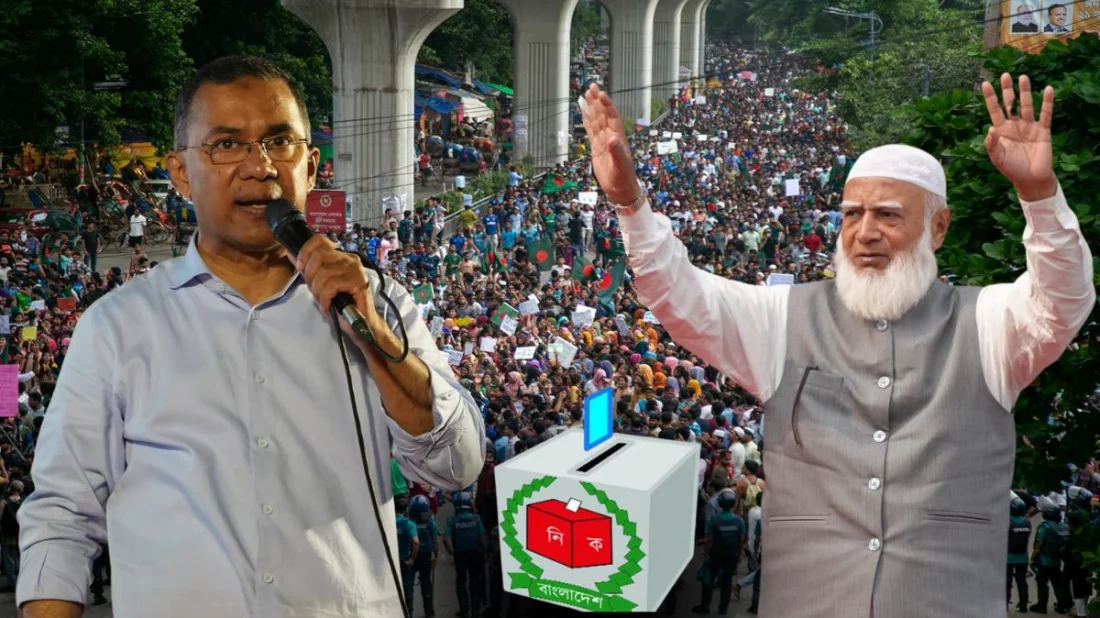
Bangladesh’s political landscape has undergone a dramatic transformation ahead of the 13th national parliamentary election and the accompanying constitutional referendum. After years of elections marked by limited competition, many observers—particularly young voters who took part in the 2024 protest movement—believe the upcoming vote could be the country’s first genuinely competitive election since 2009, according to a report by Reuters.
The shift in political dynamics follows the removal of former Prime Minister Sheikh Hasina from power, after which her Awami League was barred from participating in the election. In contrast, the Bangladesh Nationalist Party (BNP) has returned to the electoral arena with full force, contesting 292 of the 300 parliamentary seats. BNP chairperson Tarique Rahman has expressed confidence that his party will secure a parliamentary majority and form the next government.
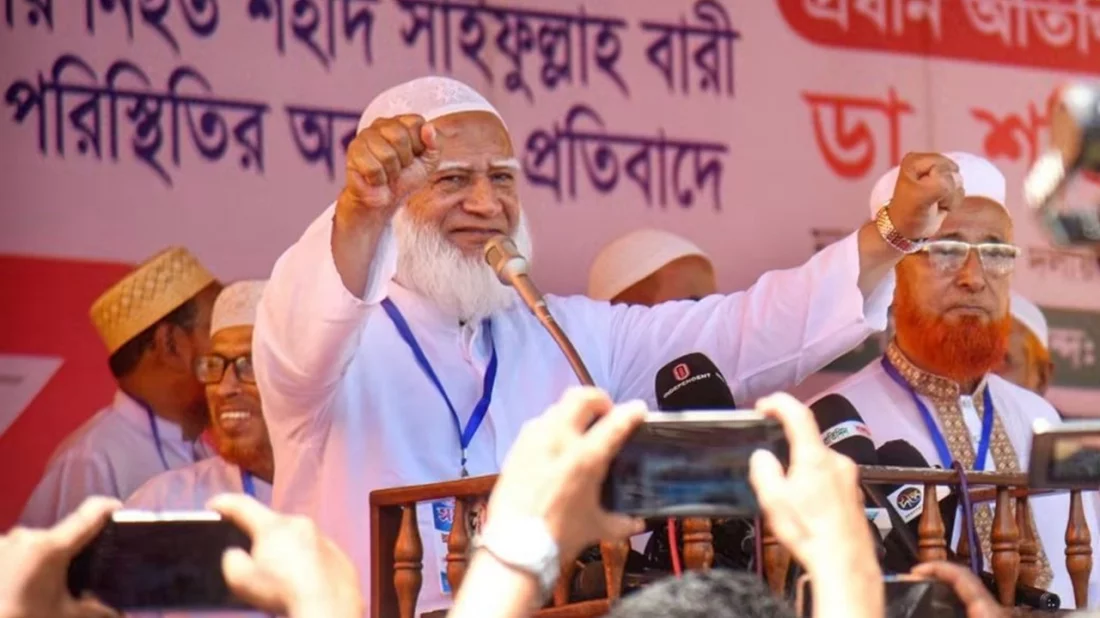
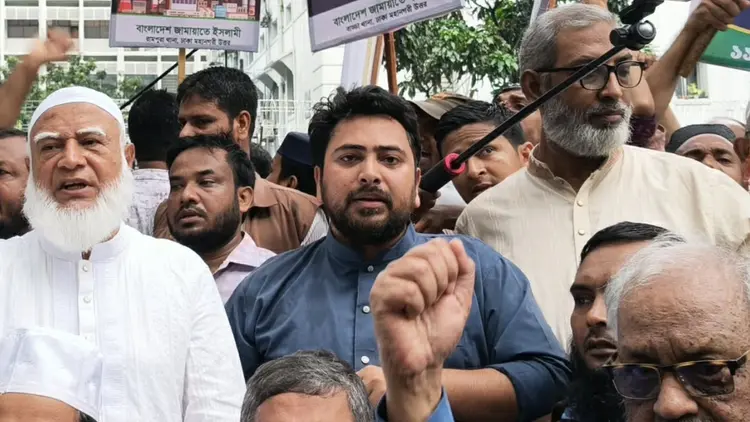
However, the BNP faces strong competition from an Islamist alliance led by Jamaat-e-Islami. The alliance has gained additional momentum through cooperation with a youth-driven political group representing Generation Z voters, commonly referred to as the National Citizen Party (NCP). Political analysts suggest that the voting behavior of younger citizens could play a decisive role in determining the election outcome.
According to governance expert Parvez Karim Abbasi of the Centre for Governance Studies in Dhaka, opinion polls indicate that the BNP currently holds an advantage, though a substantial portion of voters remain undecided. “The final result may depend on where undecided and young voters place their support,” he noted, adding that the election will have far-reaching consequences for both political stability and economic recovery.
Campaign visuals across the country reflect the changing political climate. Streets that once prominently displayed the Awami League’s boat symbol are now lined with BNP’s sheaf-of-paddy posters and Jamaat’s balance-scale emblem. Party offices are active, campaign songs are playing, and election discussions have become a regular feature of daily life—marking a clear departure from previous election cycles.
Analysts also point out that Jamaat-e-Islami’s growing appeal is not primarily rooted in religious ideology. Instead, many voters appear to be responding to the party’s image of organizational discipline and comparatively low corruption. Surveys cited in the Reuters report suggest that voters are prioritizing economic performance, anti-corruption measures, and job creation over symbolic or religious considerations.
Young voters, particularly first-time participants, have high expectations. Twenty-one-year-old voter Mohammad Rakib told Reuters that previous elections made it difficult to express political opinions freely. “We hope the next government will protect our right to vote and speak without fear,” he said, reflecting a sentiment widely shared among younger citizens.
The election also carries significant geopolitical implications. Since Sheikh Hasina’s departure, India’s influence in Bangladesh has weakened while China’s presence has expanded. Observers believe a BNP-led government may pursue a more balanced relationship with India, whereas a Jamaat-influenced administration could strengthen ties with Pakistan—though Jamaat leaders deny favoring any specific foreign power.
Economic challenges further heighten the stakes. High inflation, declining foreign currency reserves, and reduced investment have placed increasing pressure on the economy, prompting Bangladesh to seek substantial external financing since 2022. Experts argue that only a stable and credible post-election government can restore investor confidence and guide the country toward sustainable growth.
Taken together, political competition, economic urgency, youth participation, and international positioning have made the upcoming election a critical turning point for Bangladesh. Analysts emphasize that forming a stable and inclusive government after the vote will be essential to ensuring long-term national stability and democratic credibility.
Advertisement
Most Readed - Politics
- The Story of Hussain Muhammad Ershad’s Rule, Controversy Over Authoritarianism, and Fall from Power
- Hearing of corruption case against Tulip Siddique postponed to January
- Rapper Badshah announces separation after five months of marriage
- Jamaat-NCP announces long march to bring back Awami League in December: Rashed Khan
- Lamine Yamal breaks Barcelona's 91-year-old record
- Time has released a list of 100 influential people in the world of AI
- LGRD Minister hopes to further strengthen Bangladesh-India relations
- Human Chain Held Over Alleged Harassment, Extortion Over Compensation for Bormi Bridge Land Acquisition
- Main accused in Hadi murder Faisal and his wife banned from traveling abroad
- Rashmika to return to shooting soon
- Prime Minister Tarique Rahman to visit US for 10 days, address UN General Assembly in September
- BPL may not happen this year: Tamim Iqbal
- Kangana Ranaut slams Naseeruddin Shah for calling him a 'fox'
- Who is Ruhul Kabir Rizvi? Education, political life and current responsibilities
- Young man leaves weapon at opponent's house, calls police, hangs himself
- ‘BJP has turned West Bengal into a prison’, Mamata Banerjee alleges
- If the referendum verdict is upheld, Oli Ahmed would have been the president: Jamaat
- 132 killed in strong earthquake in Colombia, state of emergency declared
- List of top drug dealers, strict action to be taken: Home Minister
- Umpire Sharfuddaula Saikat's resignation finally takes effect, contract with BCB ends