Iran Faces Severe Medicine Shortage Amid US Sanctions and Naval Blockade

Published: 03:32 9 September 2026
A severe medicine shortage has gripped Iran due to US military pressure, economic sanctions, and a naval blockade. Disruptions in the supply of essential and life-saving medicines have caused immense hardship for patients suffering from cancer and other complex illnesses seeking treatment.
A report by Al Jazeera on Wednesday (September 9) highlighted the current state of the medicine crisis in Iran.
Hadi Ahmadi, spokesperson for the Iranian Pharmacists Association, stated that there is a shortage of approximately 800 types of medical supplies and medicines across the country. This includes about 90 essential, life-saving drugs. Furthermore, around 400 of the medicines currently in short supply were previously manufactured within Iran.
Sharp Rise in Medicine Prices
Alongside the shortage, the prices of various critical medicines in Iran have skyrocketed.
According to the country's state-run news agency, Mehr News, the price of the epilepsy medication Gabapentin has risen by 220 percent compared to last year. The price of Paracetamol has increased by 375 percent, Amoxicillin by 285 percent, and Fluoxetine by 100 percent.
The report also notes that the price of insulin—crucial for diabetic patients—has increased up to six-fold.
Damage to Pharmaceutical Factories
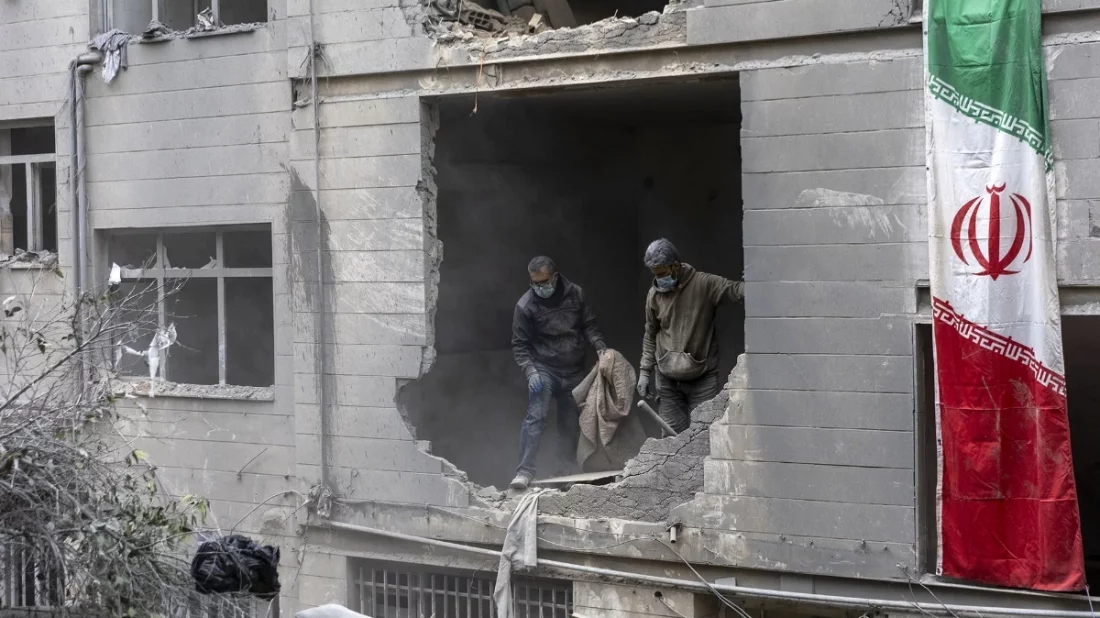
The country's pharmaceutical manufacturing sector has also suffered significant damage due to the ongoing conflict. Since last February, approximately 44 Iranian pharmaceutical and medical equipment factories have been damaged or destroyed, resulting in casualties among at least 50 industrial workers.
Tofigh Darou, a major cancer drug manufacturer owned by Iran's pension fund, was destroyed in an airstrike.
Maryam Farahani, the company's sales director, stated that the attack destroyed their research and production lines and ruined servers containing data accumulated over the past 26 years. Restoring even partial operations could take years and cost millions of dollars.
While US and Israeli military forces claimed the factory was destroyed due to allegations of chemical research, Tofigh Darou authorities have denied these accusations.
Growing Concerns Over Public Health
Mehdi Pirsalehi, head of Iran's Food and Drug Administration, has asserted that despite the crisis, the country's pharmaceutical sector will not collapse. However, doctors have warned about the situation. In particular, the suspension of rotavirus and influenza vaccine imports has placed additional strain on public health.
Meanwhile, reports indicate that the government has outstanding debts totaling approximately 8 quadrillion rials (about $3.56 billion) in the pharmaceutical sector. Doctors fear that if supply shortages, price hikes, and damage to production infrastructure persist simultaneously, accessing medical care could become increasingly difficult for the general public.
Source: Al Jazeera.
Advertisement
Most Readed - International
- Shooting at Asif Akbar’s Car Is an Ominous Sign: Omar Sani
- Wife’s 5 Ribs Break During Husband’s Embrace; Underlying Health Risks Revealed
- Physics Tests Completed for Rooppur’s First Unit; Awaiting the Next Phase Toward Power Generation
- Explosive Revelations of Secret Funds and Covert Operations
- Notice Regarding October 29 HSC Result Publication Is Fake: Board Issues Warning
- Scaloni to Remain at the Helm for Argentina; Contract Extended Through 2030 World Cup
- A Novel Form of Robbery: Young Man Forced to Take Out an Instant Loan via App
- Open All the Windows: The Life Story of a Freedom Fighter, Told Through Music
- Bangladeshis Forced into War in Russia Under Pretext of Employment
- Excessive Drinking After Separation: Yuzvendra Chahal Spent 26 Days in Rehab
- Fuel for Rooppur Nuclear Power Plant Arriving in Bangladesh Today
- Cybercriminals Claim to Possess Data of 19 Million Pathao Users; $400,000 Ransom Demanded
- Jamuna Fertilizer Factory Shuts Down Again Just Two Days After Resuming Operations
- Ronaldo faces risk of 6-month ban for leaving national team camp
- Messi bids farewell with a goal and assists, showered with love by teammates
- Hasnat Questions the Source of Salahuddin’s Wealth, Demands Transparent Accounting
- Ronaldo shares emotional message upon Messi's retirement, expressing 'utmost respect'
- Countless Decembers will come and go, but Sheikh Hasina will not return to the country: Rashed Khan
- Houthis Claim Third Attack on Riyadh Airport; Aircraft Damaged
- Three-Day Mosquito Eradication Drive Begins in Savar's Bongaon