Record of survival for 9 months with pig kidney

Published: 10:17 5 September 2026
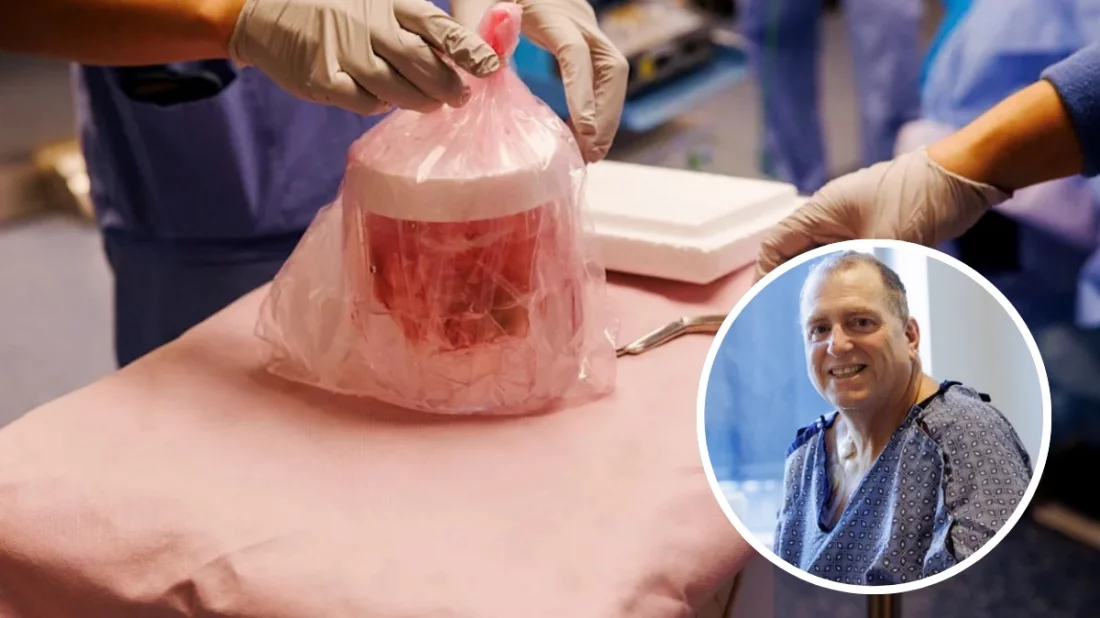
Tim Andrews from the United States has set a new record for surviving 271 days without dialysis after transplanting a genetically modified pig kidney into a human. At the age of 66, this patient suffering from end-stage kidney disease was transplanted with a gene-edited pig kidney. Later, that kidney was removed and a kidney obtained from a deceased human donor was successfully transplanted.
Andrews needed a human kidney transplant due to kidney failure caused by type-2 diabetes. But since the chances of finding a suitable human donor were very low, doctors decided to use a genetically modified pig kidney as an alternative. In January 2025, a Yucatan Miniature pig named 'Wilma' was transplanted into his body at Massachusetts General Hospital.
Multiple changes were made to the pig's genes to make the organ acceptable to the human body. The main purpose of this was to prevent the human immune system from quickly rejecting the kidney and to reduce the risk of infection from pig genes or germs. After the transplant, the kidney functioned effectively and Andrews did not need dialysis for a long time.
After about six months, the pig's kidney showed signs of damage to its blood vessels and its function gradually declined. The kidney was finally removed after 271 days. Andrews then received a kidney from a deceased human donor in January 2026 after undergoing dialysis for some time. The new kidney has functioned well over the six-month period and there have been no major rejection problems.
The incident is being seen as a significant advance in medical science, as it is the first time that a genetically modified pig kidney can serve as a 'bridge' to a patient until they receive a human kidney. The first pig kidney transplant in a living person was performed in 2024, but that patient died after 52 days.
However, the researchers say that based on the experience of one patient, this procedure cannot be considered routine treatment right now. Larger research and clinical trials are needed to determine how safe and effective genetically modified animal organs are in the long term. At the same time, experts hope that such organ transplants could play an important role in the future to address the human organ crisis.
Advertisement
Most Readed - International





- Shooting at Asif Akbar’s Car Is an Ominous Sign: Omar Sani
- Wife’s 5 Ribs Break During Husband’s Embrace; Underlying Health Risks Revealed
- Physics Tests Completed for Rooppur’s First Unit; Awaiting the Next Phase Toward Power Generation
- Explosive Revelations of Secret Funds and Covert Operations
- Notice Regarding October 29 HSC Result Publication Is Fake: Board Issues Warning
- Scaloni to Remain at the Helm for Argentina; Contract Extended Through 2030 World Cup
- A Novel Form of Robbery: Young Man Forced to Take Out an Instant Loan via App
- Open All the Windows: The Life Story of a Freedom Fighter, Told Through Music
- Bangladeshis Forced into War in Russia Under Pretext of Employment
- Excessive Drinking After Separation: Yuzvendra Chahal Spent 26 Days in Rehab
- Fuel for Rooppur Nuclear Power Plant Arriving in Bangladesh Today
- Cybercriminals Claim to Possess Data of 19 Million Pathao Users; $400,000 Ransom Demanded
- Jamuna Fertilizer Factory Shuts Down Again Just Two Days After Resuming Operations
- Ronaldo faces risk of 6-month ban for leaving national team camp
- Messi bids farewell with a goal and assists, showered with love by teammates
- Hasnat Questions the Source of Salahuddin’s Wealth, Demands Transparent Accounting
- Ronaldo shares emotional message upon Messi's retirement, expressing 'utmost respect'
- Countless Decembers will come and go, but Sheikh Hasina will not return to the country: Rashed Khan
- Houthis Claim Third Attack on Riyadh Airport; Aircraft Damaged
- Three-Day Mosquito Eradication Drive Begins in Savar's Bongaon