Fruits and Vegetables: Essential Nutrition for Your Health

Published: 12:44 18 December 2025
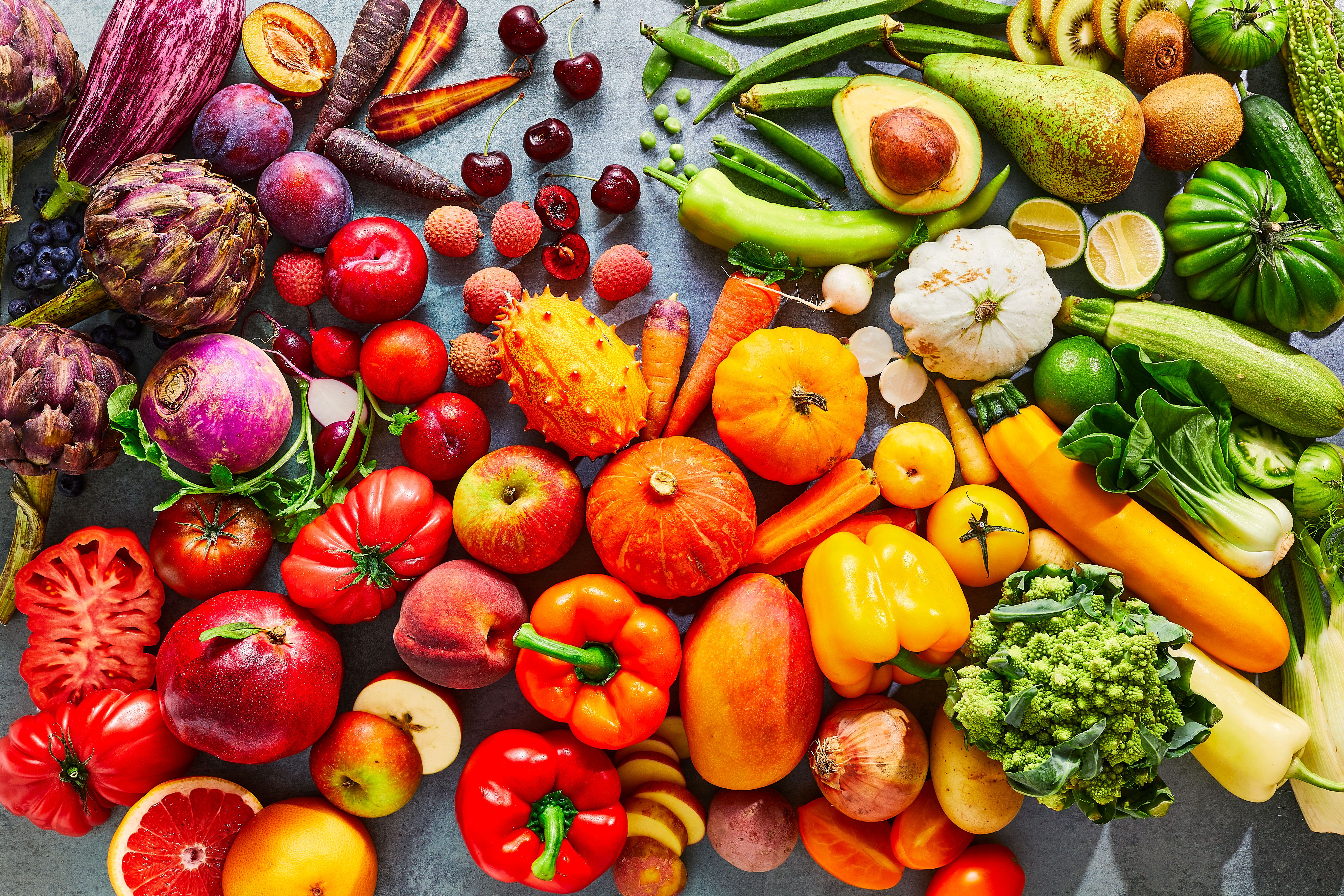
Fruits and vegetables play a vital role in human nutrition. Yet, many people believe that the nutrients in fruits and vegetables are not as beneficial as those from animal-based foods. While it is true that plant-based and animal-based foods have different nutrient compositions, plant-based foods are indispensable for long-term health, immunity, cellular function, and overall well-being.
According to Professor Shompa Sharmin Khan, Head of the Department of Home Economics at Kumudini Government College, “All nutrients from plant-based foods are effectively absorbed and utilized by the body.” In this article, we explore in detail the nutritional value of fruits and vegetables, their health benefits, the role of anti-nutrients, and tips for creating a balanced, healthy diet.
Key Nutrients in Plant-Based Foods
Plant-based foods include fruits, vegetables, legumes, beans, nuts, seeds, and mushrooms. They are rich in vitamins, minerals, proteins, fiber, and antioxidants.
1. Protein
Protein is essential for the growth, repair, and maintenance of cells, tissues, and organs.
- Plant-based protein sources such as lentils, chickpeas, soy products (like tofu), and nuts provide amino acids. Combining different plant-based proteins ensures the body receives all essential amino acids.
- Mushrooms are also a significant source of plant-based protein and other nutrients.
- Plant proteins are low in harmful fats and calories, reducing the risk of heart disease and obesity.
2. Fiber
Dietary fiber is crucial for digestive health. Insufficient fiber can lead to constipation, elevated bad cholesterol, and increased risk of heart disease.
- Fiber helps regulate blood sugar levels, supporting diabetes prevention.
- Adults should aim for 25–30 grams of fiber daily, primarily from fruits, vegetables, and whole grains.
3. Vitamins
Plant-based foods are a rich source of essential vitamins:
- Vitamin C: Found in citrus fruits, guava, strawberries, and raw vegetables. Vitamin C boosts immunity, reduces inflammation, and supports collagen production for healthy skin. Cooking often destroys vitamin C, making raw consumption essential.
- Vitamin B-complex: Found in most plant-based foods except B12. These vitamins support brain function, the nervous system, and red blood cell production.
- Vitamin K: Present in green leafy vegetables like spinach and broccoli. Vital for blood clotting and bone health.
- Vitamin A: Found in carrots, pumpkin, and cucumbers. Essential for vision and skin health.
4. Minerals
Plant-based foods also provide essential minerals:
- Iron: Found in spinach, kale, and lentils. Plant iron is less easily absorbed than animal iron, so pairing it with vitamin C-rich foods is recommended.
- Calcium: Found in leafy greens, almonds, and chia seeds. Important for bone and dental health.
- Magnesium: Present in nuts and seeds. Supports muscle and nerve function.
- Potassium: Found in bananas, potatoes, and leafy greens. Helps regulate blood pressure and nerve function.
Anti-Nutrients and Their Impact
Some plant foods contain anti-nutrients that can interfere with nutrient absorption, such as oxalates (in spinach) and phytates (in legumes).
- The amounts are generally very low.
- Eating a variety of plant-based foods minimizes the negative impact of anti-nutrients.
- Experts recommend diversifying plant foods to reduce the likelihood of nutrient absorption issues.
Raw vs. Cooked Foods
Water-soluble vitamins like vitamin C and B-complex can be lost during cooking.
- Raw salads, fruits, and lightly cooked vegetables are the best sources of these vitamins.
- Pickles or chutneys do not provide sufficient vitamin C.
- Cooking reduces vitamin content, so raw intake remains important.
Long-Term Health Benefits of Plant-Based Foods
Regular consumption of plant-based foods reduces the risk of many chronic diseases:
- Heart Health: Fiber and antioxidants protect the heart.
- Diabetes Prevention: Helps regulate blood sugar.
- Cancer Prevention: Phytochemicals in fruits and vegetables inhibit cancer cell growth.
- Skin and Hair Health: Vitamin C and antioxidants support collagen production and skin regeneration.
Balancing Plant-Based and Animal-Based Foods
While plant-based foods are essential, animal-based foods also provide important nutrients but should be consumed in moderation.
- Excess red meat or processed meat increases the risk of cancer.
- Too much protein can raise uric acid levels.
- Animal foods may contain harmful fats, contributing to heart disease and obesity.
A healthy diet prioritizes plant-based foods while incorporating moderate amounts of animal-based products.
Practical Dietary Tips
- Include at least 5 different types of fruits and vegetables daily.
- Consume animal products in moderation, only as needed.
- Minimize cooking time and water loss to preserve vitamins C and B.
- Make raw salads and fresh fruits a regular part of your diet.
- Avoid overconsumption of a single food to reduce anti-nutrient effects.
Special Benefits of Fruits and Vegetables
- Migraine Relief: Fresh vegetables can reduce migraine symptoms.
- Heart Disease Prevention: Rich in fiber and antioxidants.
- Blood Pressure Regulation: Potassium-rich foods help control hypertension.
- Skin and Hair Health: Vitamin C and antioxidants support collagen production and healthy skin.
Fruits and vegetables are not optional—they are essential for daily nutrition. They enhance immunity, reduce long-term health risks, and support internal organ function.
While moderate consumption of animal-based foods is beneficial, plant-based foods should form the major portion of a healthy diet. Incorporating a variety of fruits, vegetables, legumes, and soy products ensures adequate nutrition, long-term wellness, and disease prevention.
Ignoring the importance of fruits and vegetables can compromise health, but a well-balanced, plant-focused diet is a reliable way to maintain overall health, longevity, and quality of life.
Advertisement
- Explosive Revelations of Secret Funds and Covert Operations
- Notice Regarding October 29 HSC Result Publication Is Fake: Board Issues Warning
- Scaloni to Remain at the Helm for Argentina; Contract Extended Through 2030 World Cup
- A Novel Form of Robbery: Young Man Forced to Take Out an Instant Loan via App
- Open All the Windows: The Life Story of a Freedom Fighter, Told Through Music
- Bangladeshis Forced into War in Russia Under Pretext of Employment
- Excessive Drinking After Separation: Yuzvendra Chahal Spent 26 Days in Rehab
- Severe Fuel Crisis in Yemen: 1.6 Million Children in Taiz Face Risk to Drinking Water Supply
- Today is Bijoya Dashami; the Sharadiya Durgotsav concludes with the immersion of the idols.
- Who Can Get a Free Verified Badge on Facebook? Eligibility and Conditions
- Fuel for Rooppur Nuclear Power Plant Arriving in Bangladesh Today
- Cybercriminals Claim to Possess Data of 19 Million Pathao Users; $400,000 Ransom Demanded
- Jamuna Fertilizer Factory Shuts Down Again Just Two Days After Resuming Operations
- Messi bids farewell with a goal and assists, showered with love by teammates
- Ronaldo faces risk of 6-month ban for leaving national team camp
- Hasnat Questions the Source of Salahuddin’s Wealth, Demands Transparent Accounting
- Ronaldo shares emotional message upon Messi's retirement, expressing 'utmost respect'
- Countless Decembers will come and go, but Sheikh Hasina will not return to the country: Rashed Khan
- Houthis Claim Third Attack on Riyadh Airport; Aircraft Damaged
- Three-Day Mosquito Eradication Drive Begins in Savar's Bongaon