World Media: Jamaat on the verge of power in Bangladesh

Published: 08:19 23 January 2026
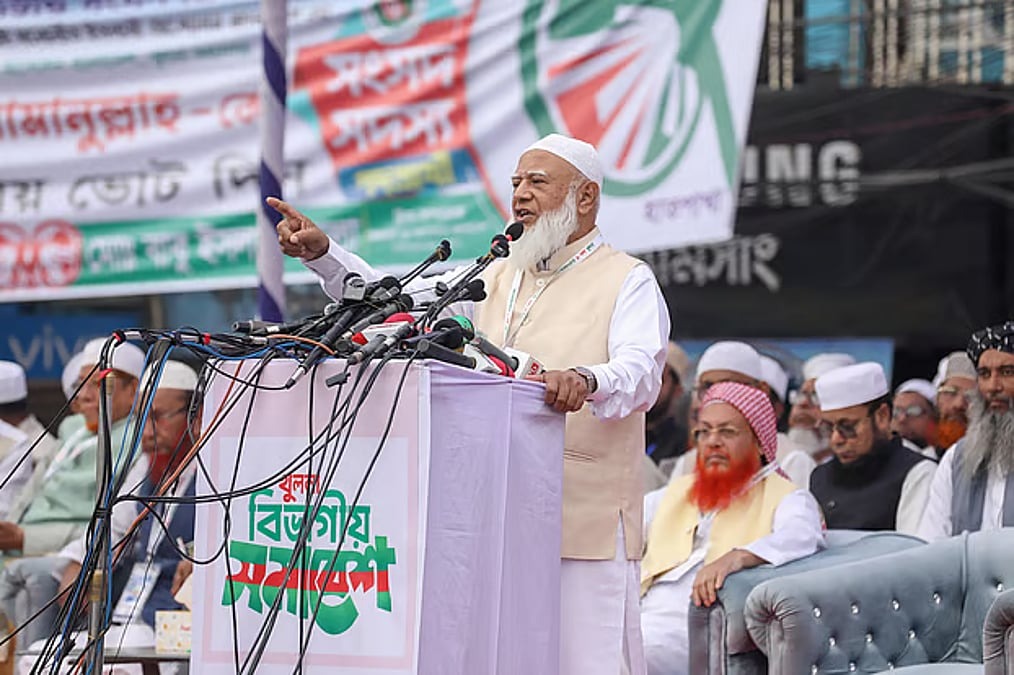
The international media believes that a new chapter is about to begin in Bangladeshi politics. After a long period of political ban, repression and isolation, Jamaat-e-Islami has once again emerged at the center of national politics, which has created widespread discussion and curiosity at home and abroad around the upcoming national elections. Several influential international media outlets, including Reuters, Associated Press (AP), and the Washington Post, say that Jamaat is no longer just a marginal party—rather, they are considered real claimants to power.
The party, which has gone through political inactivity and bans in the last decade and a half, has reorganized itself in the wake of recent political changes. Especially since the political arena opened up in the interim system formed after the fall of Sheikh Hasina's government in 2024, Jamaat was able to quickly rebuild its organizational strength. International analysts believe that this change has created a major turning point in Bangladeshi politics.
A Reuters analysis says that Jamaat's grassroots organization, social media activity and influence among young voters are more visible than ever before. The party is moving towards strategic alliances and compromises with the goal of directly coming to power, which could dramatically affect the outcome of the upcoming elections.
International media outlets are paying special attention to Jamaat's new political alliance strategy. They are trying to increase their acceptance by coordinating with new student-led political forces and various anti-government groups. According to analysts, this alliance politics has brought Jamaat back into the mainstream and is helping to break its 'single party' image.
Meanwhile, the Washington Post reported that Western diplomatic circles are also in no position to ignore Jamaat in the changing political reality of Bangladesh. Some influential countries, including the United States, are increasing contacts with all major political forces, including Jamaat, in the interests of the democratic process. Observers believe that this has added a new dimension to the diplomatic calculations in South Asia.
However, there are also concerns about the rise of Jamaat. International reports have raised questions about minority rights, religious tolerance, and freedom of expression. An Associated Press report noted that the strong resurgence of political Islam could pose a challenge to social balance and liberal democratic practices in Bangladesh.
According to political analysts, if Jamaat comes close to power or plays a significant role in government formation, then significant changes could occur in the country's policymaking, foreign relations, and social structure. In particular, Bangladesh's relations with India, the United States, and the European Union will face a new evaluation.
All in all, in the eyes of the international media, the 2026 election is not just an election, but a historic moment in determining the future political character of Bangladesh. The resurgence of Jamaat-e-Islami has become the most discussed and sensitive part of that equation. Whether this party can reach the door of power in the coming days or not - the world is now watching.
Advertisement
Most Readed - Politics


- Rice prices rise by up to Tk 3 per kg; no relief in egg and chicken markets either
- Aamir Khan's niece reveals injury marks after detention in Mumbai
- Rashed Khan Accuses Jamaat Leader’s Advisor Over Defacement of Rabindranath Graffiti
- Messi Picks 10 Future Football Stars: Who Made the List?
- Preparations for fresh protests in Delhi; 'Cockroach Janata Party' gives police a 24-hour deadline
- Bangladesh Seeks Long-Term Energy Security Support from Saudi Arabia
- Football Federation President Wants Ronaldo Back in Portugal Squad by November
- Devastating Flash Floods Hit Nepal Again; Homes and Bridges Swept Away
- Data Collection for Family Cards Begins Monday; Government Workers to Visit Homes
- Three-Day Mosquito Eradication Drive Begins in Savar's Bongaon
- Fuel for Rooppur Nuclear Power Plant Arriving in Bangladesh Today
- Cybercriminals Claim to Possess Data of 19 Million Pathao Users; $400,000 Ransom Demanded
- Messi bids farewell with a goal and assists, showered with love by teammates
- Ronaldo faces risk of 6-month ban for leaving national team camp
- Ronaldo shares emotional message upon Messi's retirement, expressing 'utmost respect'
- Jamuna Fertilizer Factory Shuts Down Again Just Two Days After Resuming Operations
- Countless Decembers will come and go, but Sheikh Hasina will not return to the country: Rashed Khan
- Price of Low-Tier Cigarettes Raised Again; 10 Sticks Now Cost Tk 65
- Three-Day Mosquito Eradication Drive Begins in Savar's Bongaon
- Love, Resentment and ‘Write to the Address of the Sky’: The Untold Story of Rudra and Taslima