Iran's attack destroys US $300 million THAAD radar, a blow to defense systems in the Middle East


Published: 03:45 7 March 2026
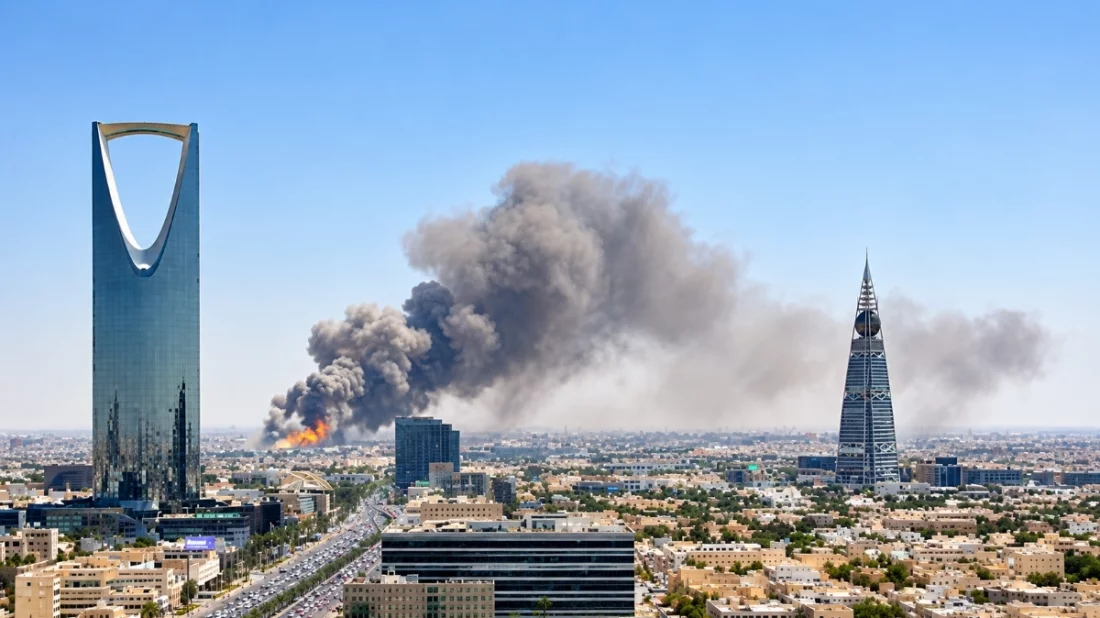
Amid the ongoing tensions in the Middle East, there has been a major blow to the US's sophisticated missile defense system. It was reported, citing a US official, that a powerful radar of the US Terminal High Altitude Area Defense (THAAD) system was destroyed in the Iranian attack. This AN/TPY-2 Radar, worth about $300 million, was deployed at the Muwaffaq Salti Air Base in Jordan.
Various analysis agencies have recently confirmed the destruction of the radar through satellite image analysis. According to the US research organization Foundation for Defense of Democracies, two Iranian attacks took place in Jordan on February 28 and March 3. Although they were initially claimed to be repelled, commercial satellite images later showed evidence of damage to the radar and related equipment.
According to analysts, this successful attack on the THAAD radar can be considered an important military success for Iran. Because the THAAD system was originally designed to detect and destroy ballistic missiles at the edge of the atmosphere and is one of the most advanced defense technologies in the United States.
With this radar becoming useless, the US now has to rely largely on the Patriot Missile System to defend against missiles in the region. However, according to defense analysts, the stock of PAC-3 missiles used in the Patriot system was already limited, which has raised new concerns.
Missile defense expert Tom Karako said that the United States currently has only eight THAAD units worldwide. Each unit costs about $1 billion, and the radar alone costs about $300 million. Although the 2012 plan was to have at least nine units, the United States currently has fewer units than that target.
A full THAAD battery usually consists of about 90 soldiers, six truck-based launchers, 48 interceptor missiles and an AN/TPY-2 radar. The production cost of each interceptor missile is about $13 million. Currently, as Iranian drone and ballistic missile attacks are increasing in the Middle East, there is a fear that the stock of these defense missiles will be depleted quickly.
In this situation, the US Pentagon has already taken initiatives to increase weapons production to increase defense capabilities. To this end, the White House has met with major defense contractors such as Lockheed Martin and RTX Corporation.
Earlier, it was reported that a US early warning radar located in Qatar was also damaged in an Iranian attack. Analysts believe that the pressure to reorganize the US military strategy in the Middle East is increasing in the event of attacks on defense installations one after another.
Advertisement
Most Readed - International




- Actress Niti Taylor makes explosive allegation: Propositioned for sexual favors in exchange for work
- Hashmatullah leaves the field after injury while batting against Bangladesh
- Bangladesh Bank Offers Special Loan Facilities and Opportunities for Small Entrepreneurs
- Dilip Ghosh Alleges Bangladesh's Involvement in Indian Protests
- Government Working on Training and Rehabilitation of Expatriates Returning Home: Nur
- Rice prices rise by up to Tk 3 per kg; no relief in egg and chicken markets either
- Aamir Khan's niece reveals injury marks after detention in Mumbai
- Rashed Khan Accuses Jamaat Leader’s Advisor Over Defacement of Rabindranath Graffiti
- Messi Picks 10 Future Football Stars: Who Made the List?
- Preparations for fresh protests in Delhi; 'Cockroach Janata Party' gives police a 24-hour deadline
- Fuel for Rooppur Nuclear Power Plant Arriving in Bangladesh Today
- Cybercriminals Claim to Possess Data of 19 Million Pathao Users; $400,000 Ransom Demanded
- Messi bids farewell with a goal and assists, showered with love by teammates
- Ronaldo faces risk of 6-month ban for leaving national team camp
- Ronaldo shares emotional message upon Messi's retirement, expressing 'utmost respect'
- Jamuna Fertilizer Factory Shuts Down Again Just Two Days After Resuming Operations
- Countless Decembers will come and go, but Sheikh Hasina will not return to the country: Rashed Khan
- Three-Day Mosquito Eradication Drive Begins in Savar's Bongaon
- Price of Low-Tier Cigarettes Raised Again; 10 Sticks Now Cost Tk 65
- Love, Resentment and ‘Write to the Address of the Sky’: The Untold Story of Rudra and Taslima