Nature’s Fury and Humanity’s Fight for Survival: 5 Heart-Touching Films

Published: 01:30 13 July 2026
Human civilisation has made remarkable progress through science and technology. Yet when nature turns destructive, the limitations of human power become painfully clear. Torrential rain, flash floods, rising water and violent ocean waves do more than destroy homes and livelihoods. They also test human courage, relationships and compassion.
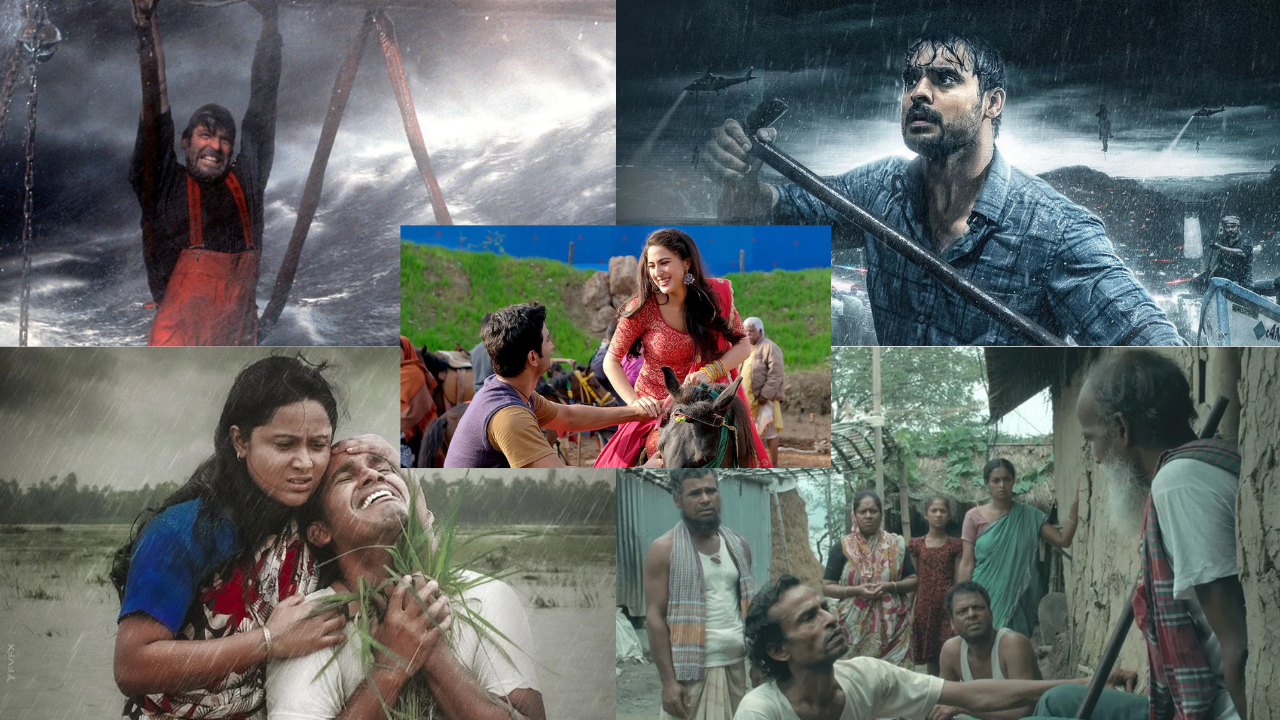
Many films around the world have explored the human experience during natural disasters. Some focus on farmers struggling to survive, others combine tragedy with love, while several show ordinary people becoming one another’s final hope. Here are five powerful films that portray human helplessness, resilience and solidarity in the face of nature’s fury.
Kura Pokkhir Shunne Ura
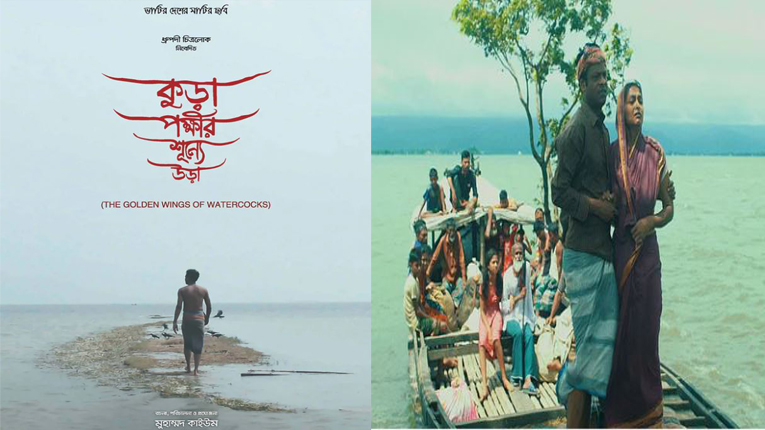
Directed by Muhammad Quayum, Kura Pokkhir Shunne Ura presents the lives and struggles of people living in Bangladesh’s vast haor region. The film explores the relationship between rural communities, agriculture and the uncertainty created by nature.
Through the journey of its central character, Sultan, viewers are introduced to the everyday realities of people living in low-lying wetland areas. For these communities, excessive rainfall or sudden flooding is not simply a temporary inconvenience. It threatens their homes, crops, livelihoods and future.
The film quietly and realistically demonstrates how danger can exist beneath the beauty of nature. Rather than functioning as a conventional disaster movie, it offers an emotional reflection on land, people and survival.
Satao

Directed by Khandaker Sumon, Satao is a deeply rooted story about farmers and women in northern Bangladesh. The word “Satao” comes from the Rangpur region and refers to a period of continuous rainfall lasting several days.
The film shows how prolonged rain disrupts farmland, crops and everyday village life. Alongside the agricultural crisis, it portrays the emotional pain and social struggles of a woman from a marginalised community.
Produced through crowdfunding, the film stands out for its authentic setting, regional language and natural performances. Instead of presenting disaster through exaggerated spectacle, it focuses on hunger, work, family and uncertainty. This makes the audience feel closely connected to the characters’ suffering.
Kedarnath

The Bollywood film Kedarnath is set against the devastating 2013 disaster in Uttarakhand, India. Its story follows Mansoor, a local Muslim porter, and Mandakini, also known as Mukku, the daughter of a Hindu priest.
Despite differences in religion and social status, the two develop a deep relationship. Their personal struggles are soon overshadowed by extreme rainfall and a sudden flood that transforms the entire valley into a disaster zone.
The film blends romance with tragedy, sacrifice and survival. It also delivers a wider message: during a crisis, saving human life matters more than religious, social or cultural divisions.
2018

The Malayalam film 2018 is inspired by the catastrophic floods that struck Kerala in 2018. Rather than focusing on one central hero, the film connects the lives of people from different professions and social backgrounds.
A former soldier, fishermen, a driver, a journalist and several ordinary families become part of the same disaster. As floodwaters rise, social identity becomes less important. What matters most is whether one person is willing to save another.
The film is particularly powerful in its portrayal of Kerala’s fishing communities, who used their own boats to rescue stranded people. Through realistic disaster scenes and emotional storytelling, 2018 shows how ordinary citizens can become extraordinary during a national emergency.
The Perfect Storm
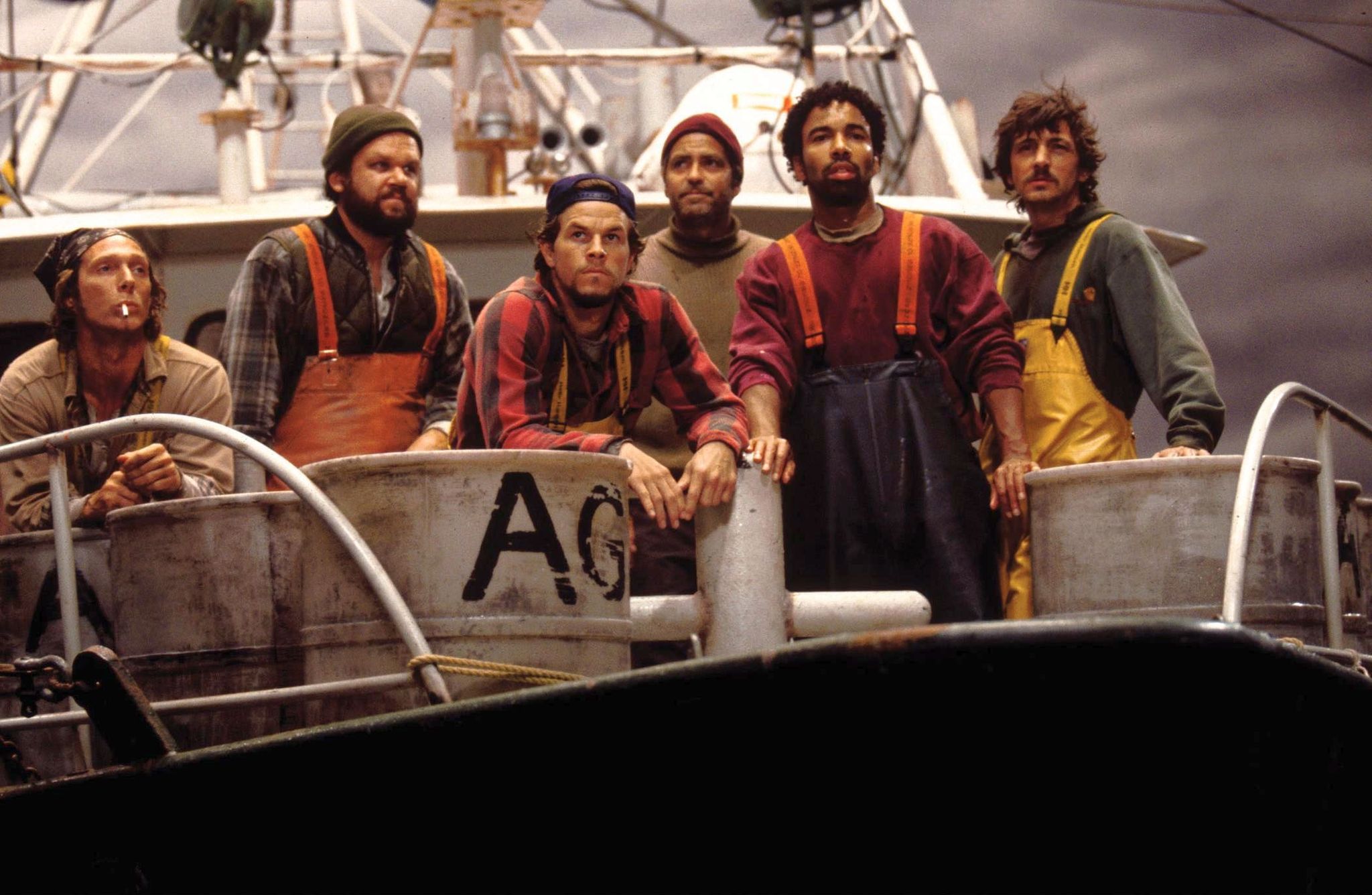
Set in the Atlantic Ocean, The Perfect Storm is a Hollywood disaster film inspired by real events. The story follows the crew of the commercial fishing vessel Andrea Gail.
After completing a fishing trip, the crew attempts to return home but encounters a massive storm. Violent winds, endless rain and enormous waves push their experience, courage and physical strength to the limit.
One of the film’s strongest features is its realistic portrayal of the sea’s overwhelming force. Human technology, planning and confidence appear fragile in comparison with the power of nature.
Ultimately, the film is not only about a dangerous journey at sea. It is also a moving story about responsibility, courage, friendship and the uncertainty of life.
Although these five films differ in language, setting and storytelling style, they share a similar message. When nature becomes uncontrollable, wealth, status and power offer limited protection. In such moments, people often survive because other people choose to stand beside them.
Some of these stories focus on saving families, others on sacrificing oneself for strangers, and some on rebuilding life after losing everything. These films do more than create emotion. They also encourage audiences to think about climate change, disaster preparedness and humanity’s responsibility toward nature and one another.
Advertisement
Most Readed - Entertainment





- Who Can Get a Free Verified Badge on Facebook? Eligibility and Conditions
- From Shah Rukh to Salman: The Security Categories Assigned to Top Bollywood Stars
- Ishraq Hossain Outraged by Nahid’s Remarks; Declares NCP’s Future ‘Zero’
- Ronaldo Faces Disciplinary Action for Leaving Team Camp; Fine Amount Earned in Just 38 Seconds
- Series of Drone Attacks in War-Torn Sudan Leave Over 160 Dead
- Prime Minister Tareque Rahman Begins Three-Division Tour During Durga Puja, Starting in Rangpur
- Ishraq Has Fallen into a Trap Due to the Home Minister’s Failure: Nasiruddin Patwary
- Bollywood in a state of panic: Threats of attacks against those working with Salman Khan
- Traveling 1,900 km in Search of His Dream Woman—Only to Discover She’s AI!
- Shei Tumi in Millions of Hearts Immortal Through the Silver Guitar
- Fuel for Rooppur Nuclear Power Plant Arriving in Bangladesh Today
- Cybercriminals Claim to Possess Data of 19 Million Pathao Users; $400,000 Ransom Demanded
- Jamuna Fertilizer Factory Shuts Down Again Just Two Days After Resuming Operations
- Ronaldo faces risk of 6-month ban for leaving national team camp
- Messi bids farewell with a goal and assists, showered with love by teammates
- Ronaldo shares emotional message upon Messi's retirement, expressing 'utmost respect'
- Hasnat Questions the Source of Salahuddin’s Wealth, Demands Transparent Accounting
- Countless Decembers will come and go, but Sheikh Hasina will not return to the country: Rashed Khan
- Three-Day Mosquito Eradication Drive Begins in Savar's Bongaon
- Hashmatullah leaves the field after injury while batting against Bangladesh