War criminal Abul Kalam Azad surrenders to tribunal


Published: 12:47 21 January 2026
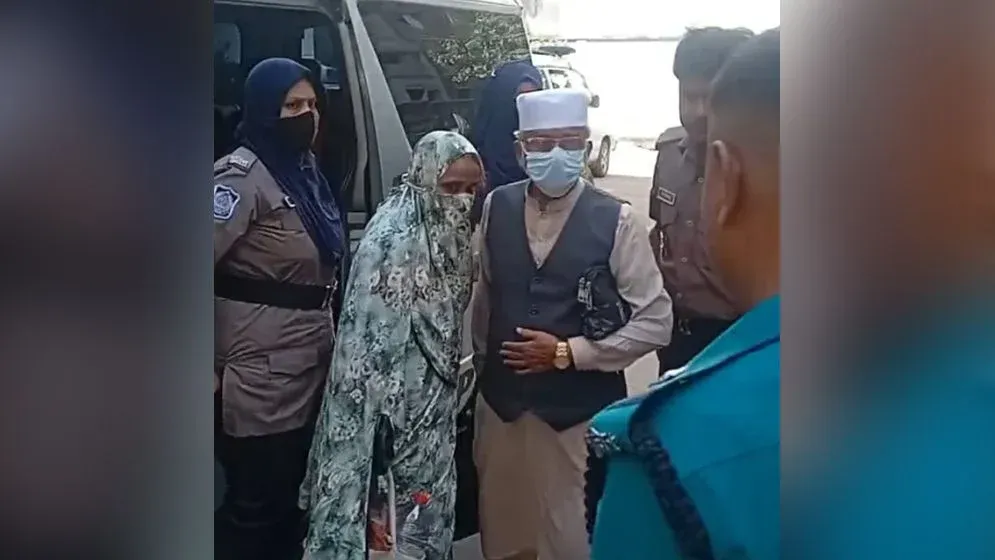
Abul Kalam Azad, a fugitive convicted of crimes against humanity sentenced to death, has finally surrendered to the International Crimes Tribunal. After a long period of hiding, he appeared before the tribunal on Wednesday (January 21) morning. He was charged with 8 crimes against humanity committed during the Great Liberation War, of which 7 were proven in court.
The charges brought against Abul Kalam Azad included killing 14 innocent people, raping three women, kidnapping 9 people, illegally detaining 10 people, setting fire to five houses and looting at least 15 houses. For these heinous crimes, the International Crimes Tribunal-2 sentenced him to death on January 21, 2013. At that time, Justice Obaidul Hasan was the chairman of the tribunal.
The tribunal verdict stated that Abul Kalam Azad was found guilty on seven out of eight charges. Three of these charges were proved to be capital crimes. Although there was a possibility of imprisonment on four other charges, separate sentences were not given for those crimes as the death sentence had already been carried out. Another charge was dismissed as the prosecution failed to prove its case.
This case created an important chapter in the history of war crimes trials in Bangladesh. Because this was the first war crimes verdict announced by the International Crimes Tribunal. However, it was not possible to present Abul Kalam Azad to the tribunal at the time of the verdict as he was absconding. According to law enforcement, he fled the country and went to Pakistan via India before the arrest warrant was issued.
The trial of the case ended on 26 December 2012, when both sides completed their arguments. The tribunal then ordered the case to be kept pending verdict (CAV). He was later sentenced to death in the verdict announced.
It is worth noting that last year, Abul Kalam Azad applied to the Ministry of Home Affairs under Section 401 of the Criminal Procedure Code to suspend his sentence. In the context of that application, those concerned consider his surrender to be very significant.
Law and history circles believe that his surrender after more than a decade has added another important chapter to the trial process of crimes against humanity during the Liberation War.
Advertisement
Most Readed - Crime & Order

- Bangladesh Women's Cricket Team Swept 3-0 by Australia
- LPG Traders Call Off Two-Day Strike; Shops to Remain Open
- Salman Khan Reveals Desire to Become a Father at 60
- Collaborators of fascism are living a lavish life abroad after looting the country's wealth: Rizvi
- Bangladesh Inspires India's Gen Z Movement: Student Leader Neha Bora
- Digital Forensic Labs to be Set Up in Eight Divisions: Home Minister
- Actress Niti Taylor makes explosive allegation: Propositioned for sexual favors in exchange for work
- Hashmatullah leaves the field after injury while batting against Bangladesh
- Bangladesh Bank Offers Special Loan Facilities and Opportunities for Small Entrepreneurs
- Dilip Ghosh Alleges Bangladesh's Involvement in Indian Protests
- Fuel for Rooppur Nuclear Power Plant Arriving in Bangladesh Today
- Cybercriminals Claim to Possess Data of 19 Million Pathao Users; $400,000 Ransom Demanded
- Messi bids farewell with a goal and assists, showered with love by teammates
- Ronaldo faces risk of 6-month ban for leaving national team camp
- Jamuna Fertilizer Factory Shuts Down Again Just Two Days After Resuming Operations
- Ronaldo shares emotional message upon Messi's retirement, expressing 'utmost respect'
- Countless Decembers will come and go, but Sheikh Hasina will not return to the country: Rashed Khan
- Three-Day Mosquito Eradication Drive Begins in Savar's Bongaon
- Price of Low-Tier Cigarettes Raised Again; 10 Sticks Now Cost Tk 65
- Hasnat Questions the Source of Salahuddin’s Wealth, Demands Transparent Accounting