Putin in search of immortality! Daughter leads $26 billion ‘longevity’ project

Published: 03:54 30 May 2026
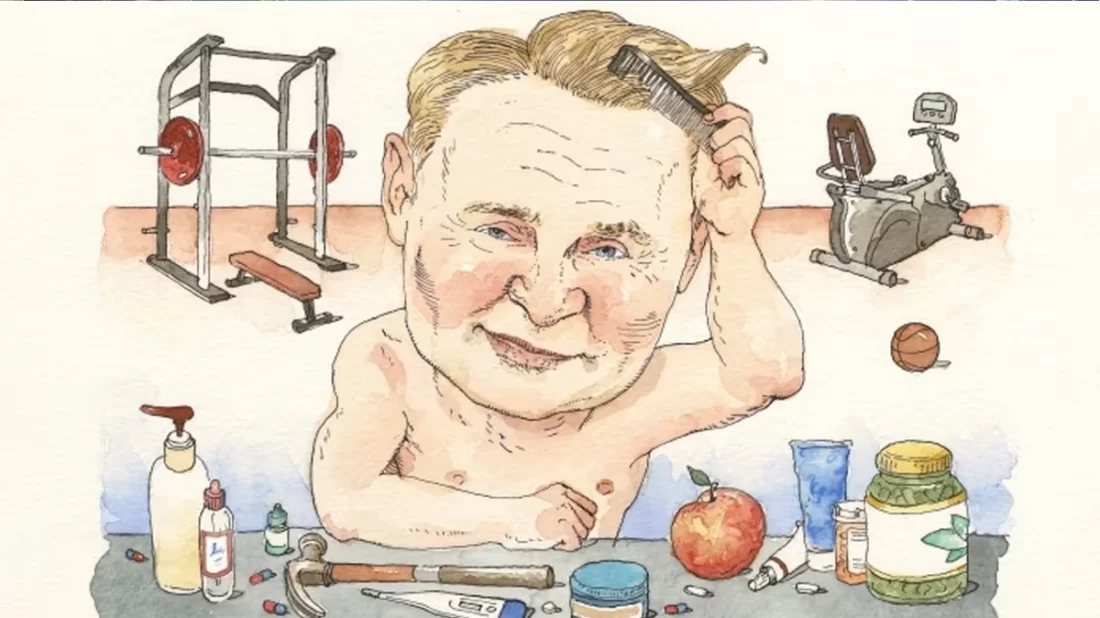
Russian President Vladimir Putin has long been known for his interest in longevity and anti-aging. Now, that interest has been realized in an ambitious research program worth about $26 billion, which aims to increase human lifespan and reduce mortality from complex diseases.
According to a report in the US media outlet Wall Street Journal, the project is working on cutting-edge technologies such as bioprinting and xenotransplantation. Living tissues are being created on 3D printers through bioprinting technology. In addition, the possibility of producing human organs in miniature pigs is also being tested, which could open up new horizons in organ transplantation in the future.
The program, which began in 2024, is led by Putin’s daughter and endocrinologist Maria Vorontsova. She is accompanied by renowned Russian physicist Mikhail Kovalchuk. Researchers have already claimed to have bioprinted human cartilage tissue and experimentally created rat thyroid glands. Their long-term goal is to create replaceable organs for humans by the end of the decade.
However, the project is also controversial. Alexander Ostrovsky, one of the pioneers of Russian bioprinting research, claims that sufficient scientific evidence of such success has not yet been found in international research journals. According to him, some of the project's claims are more optimistic than reality and should be seen as "future possibilities" for now.
Putin, now 73, has long been known as a health-conscious leader. He is interested in regular exercise, ice hockey and cryotherapy. He was also heard talking about the possibility of achieving longevity in the future through human organ transplants in recent talks with Chinese President Xi Jinping.
According to analysts, the improvement in Russia's public health situation is a major reason behind the project, as well as personal interest. The average life expectancy of men in Russia is still relatively low compared to Western countries. Research into longevity and advanced medical technology is therefore seen as an important part of the country's future health policy. However, the biggest debate now is whether this massive $26 billion project will ultimately achieve its stated goals.
Advertisement
Most Readed - International




- Bangladesh Women's Cricket Team Swept 3-0 by Australia
- LPG Traders Call Off Two-Day Strike; Shops to Remain Open
- Salman Khan Reveals Desire to Become a Father at 60
- Collaborators of fascism are living a lavish life abroad after looting the country's wealth: Rizvi
- Bangladesh Inspires India's Gen Z Movement: Student Leader Neha Bora
- Digital Forensic Labs to be Set Up in Eight Divisions: Home Minister
- Actress Niti Taylor makes explosive allegation: Propositioned for sexual favors in exchange for work
- Hashmatullah leaves the field after injury while batting against Bangladesh
- Bangladesh Bank Offers Special Loan Facilities and Opportunities for Small Entrepreneurs
- Dilip Ghosh Alleges Bangladesh's Involvement in Indian Protests
- Fuel for Rooppur Nuclear Power Plant Arriving in Bangladesh Today
- Cybercriminals Claim to Possess Data of 19 Million Pathao Users; $400,000 Ransom Demanded
- Messi bids farewell with a goal and assists, showered with love by teammates
- Ronaldo faces risk of 6-month ban for leaving national team camp
- Jamuna Fertilizer Factory Shuts Down Again Just Two Days After Resuming Operations
- Ronaldo shares emotional message upon Messi's retirement, expressing 'utmost respect'
- Countless Decembers will come and go, but Sheikh Hasina will not return to the country: Rashed Khan
- Three-Day Mosquito Eradication Drive Begins in Savar's Bongaon
- Price of Low-Tier Cigarettes Raised Again; 10 Sticks Now Cost Tk 65
- Hasnat Questions the Source of Salahuddin’s Wealth, Demands Transparent Accounting