Production disrupted at 62 power plants, load shedding hits Dhaka and the whole country

Published: 11:12 28 August 2026
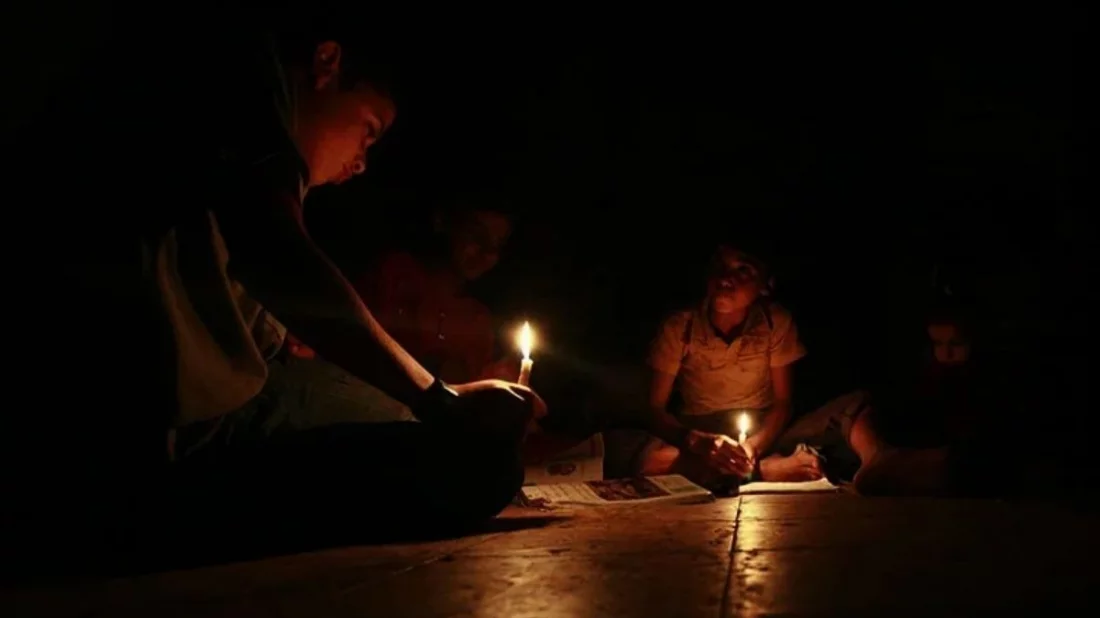
Along with the gas, coal and fuel oil crisis, power generation in the country is being disrupted due to technical faults and maintenance at some power plants. According to the PDB and PGCB data, production is not normal at 62 of the country's 137 power plants. Of these, 20 plants are completely shut down and 42 are running at limited capacity. As a result, the highest load shedding reached 3,664 MW last Thursday. Due to less supply than demand, power is going out in various areas including Dhaka several times a day and night.
Although the country's total power generation capacity is about 29,000 MW, 13,282 MW was produced during the peak demand period last Thursday. In contrast, the demand was 16,946 MW. Especially due to the gas crisis, the production of gas-based plants has decreased significantly. Currently, a little more than 5,000 MW of electricity is being produced from these plants with a capacity of more than 12,000 MW. According to Petrobangla, the daily demand for gas is around 3.8 billion cubic feet, but the supply is 2.35 billion cubic feet.
This has also affected the capital. Load shedding has started in Dhaka since August 12. Although DPDC and DESCO have planned to have load shedding for one hour in each area daily, there are allegations that many areas do not have electricity for more than that. Among the coal-based plants, production has also decreased in Payra and Barapukuria due to technical problems, and a unit in Matarbari is closed for maintenance. Due to the shortage of coal supply, electricity is not available at full capacity from the Adani Group plants. In addition, there is a shortage of furnace oil and diesel in 24 oil-based plants.
Meanwhile, supply problems arose after an accident at one of the two floating LNG terminals in Maheshkhali last July. Although the terminal is operational, the gas crisis has not been completely resolved as LNG cargoes did not arrive on time. This is affecting power generation, homes and industries. Energy sector experts say that besides ensuring rapid supply of gas, coal and fuel oil, structural reforms are needed in the management of the electricity and energy sectors. Otherwise, the suffering of load shedding is unlikely to reduce quickly.
Advertisement
Most Readed - National


- Countless Decembers will come and go, but Sheikh Hasina will not return to the country: Rashed Khan
- Ronaldo faces risk of 6-month ban for leaving national team camp
- Houthis Claim Third Attack on Riyadh Airport; Aircraft Damaged
- Cybercriminals Claim to Possess Data of 19 Million Pathao Users; $400,000 Ransom Demanded
- Ronaldo shares emotional message upon Messi's retirement, expressing 'utmost respect'
- Nude Trump Sculpture ‘The Orange Plague’ at the European Parliament
- Jamuna Fertilizer Factory Shuts Down Again Just Two Days After Resuming Operations
- Over 100 minutes of footage cut from Rajinikanth’s ‘Jailer 2’
- Messi bids farewell with a goal and assists, showered with love by teammates
- US troops in Okinawa face curfew and alcohol ban following murder case
- No Relief in Fish, Chicken and Egg Prices, Low-Income People Under Pressure
- Price of Low-Tier Cigarettes Raised Again; 10 Sticks Now Cost Tk 65
- Love, Resentment and ‘Write to the Address of the Sky’: The Untold Story of Rudra and Taslima
- RAB Dissolved, SRB Begins Operations; Uniforms, Logos, and Vehicle Colors to Change
- Squad Trimmed: Six Players Dropped from Bangladesh's ASEAN Cup Team
- "Jinnah's father sold fish; he was a Hindu": Fazlur Rahman's claim vs. historical records
- Bangladesh Bank to provide up to Tk 20 lakh without collateral; here is which young entrepreneurs are eligible.
- Raphinha Equals Messi's Record; Barcelona Makes History in 7-Goal Thriller
- Sakib Ali: A Prominent Name in Bangladesh’s Diplomacy and Politics
- Major blow for international students: Australia limits opportunities to bring families