Rohingya Genocide Case: ICJ to Deliver Historic Verdict Against Myanmar Today

Published: 10:15 19 November 2026
The International Court of Justice (ICJ) is set to deliver its verdict today, Thursday (November 19), in the genocide case brought against Myanmar over alleged atrocities committed against the Rohingya community. The ruling, to be delivered at the court in The Hague, Netherlands, is being viewed as a landmark moment in the history of international law. This is because no state has so far been directly held responsible by the ICJ for committing genocide.
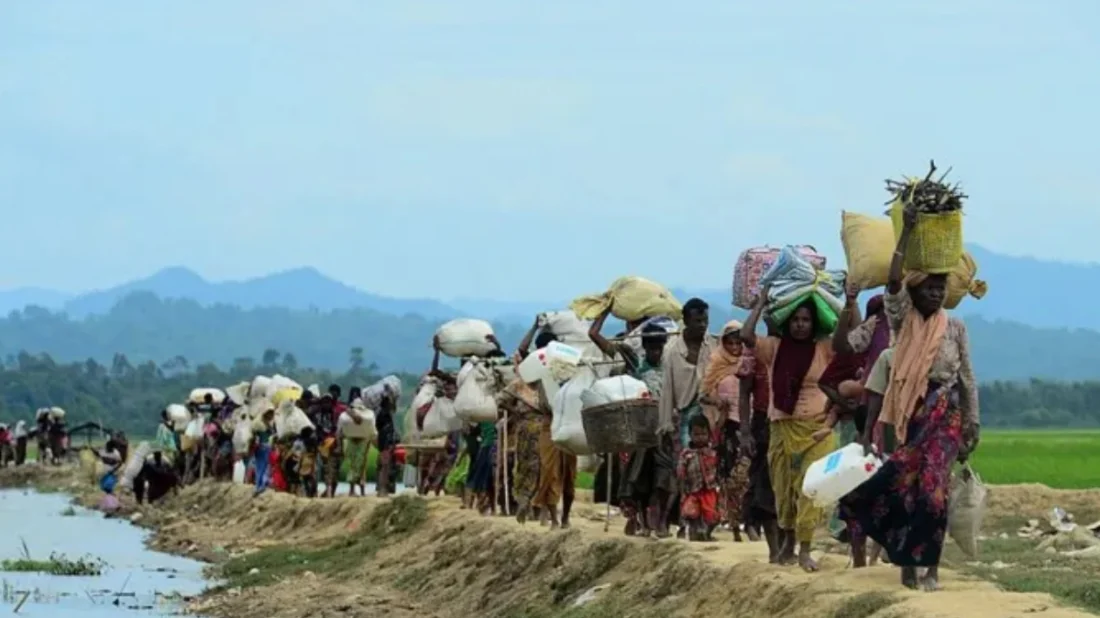
In 2017, Myanmar's military launched an operation against the Rohingya population in Rakhine State. During the campaign, at least 730,000 Rohingya fled to Bangladesh amid atrocities including killings, rape, torture and the burning of villages. These incidents have been extensively documented in reports by United Nations investigative teams and various human rights organisations.
However, one of the central legal questions in the case is whether these crimes were committed with the specific intent to destroy the Rohingya population, in whole or in part.
Background to the Case Filed by The Gambia
On November 11, 2019, The Gambia, a West African country, filed the case against Myanmar at the International Court of Justice. The initiative was supported by the Organisation of Islamic Cooperation (OIC).
The Gambia alleges that Myanmar violated the 1948 Genocide Convention through its military operations against the Rohingya in 2017. It has asked the court to determine Myanmar's state responsibility, order compensation for victims and direct measures to prevent similar crimes in the future.
A significant aspect of the case is that under the Genocide Convention, a country does not necessarily have to be directly affected by genocide to bring another state before the international court over alleged violations of the convention.
Myanmar initially challenged the court's jurisdiction to hear the case. However, on July 22, 2022, the ICJ rejected Myanmar's preliminary objections and confirmed its jurisdiction to proceed with the case.
Myanmar Denies Genocide Allegations
Myanmar has consistently denied allegations of genocide against the Rohingya. The country maintains that its military operations in Rakhine State in 2017 were security operations launched in response to attacks by armed groups.
However, a 2018 UN fact-finding mission report stated that the military campaign in Rakhine was disproportionate to the actual security threats. The report recommended investigations into Myanmar's senior military officials for genocide, crimes against humanity and war crimes.
During the initial phase of the case, Myanmar's legal defence was led by Aung San Suu Kyi, the country's then civilian leader. Following the military coup in 2021, a new legal team took over the case.
Why Is the Verdict So Important?
Proving genocide under international law is extremely difficult. Evidence of killings, torture or widespread human rights violations alone is not sufficient to establish genocide. It must also be proven that the perpetrators had the specific intent to destroy a particular group, in whole or in part.
Lawyers representing The Gambia argue that long-standing discrimination against the Rohingya, the denial of citizenship rights and restrictions on education, healthcare, livelihoods and freedom of movement are important evidence in determining genocidal intent.
The International Court of Justice has never directly held a state responsible for committing genocide. In the 2007 Bosnia genocide case concerning the Srebrenica massacre, the court found Serbia responsible for failing to prevent genocide, but did not hold the country directly responsible for committing it.
As a result, today's verdict could establish a new precedent in international jurisprudence.
Rohingyas' Future Closely Linked to the Verdict
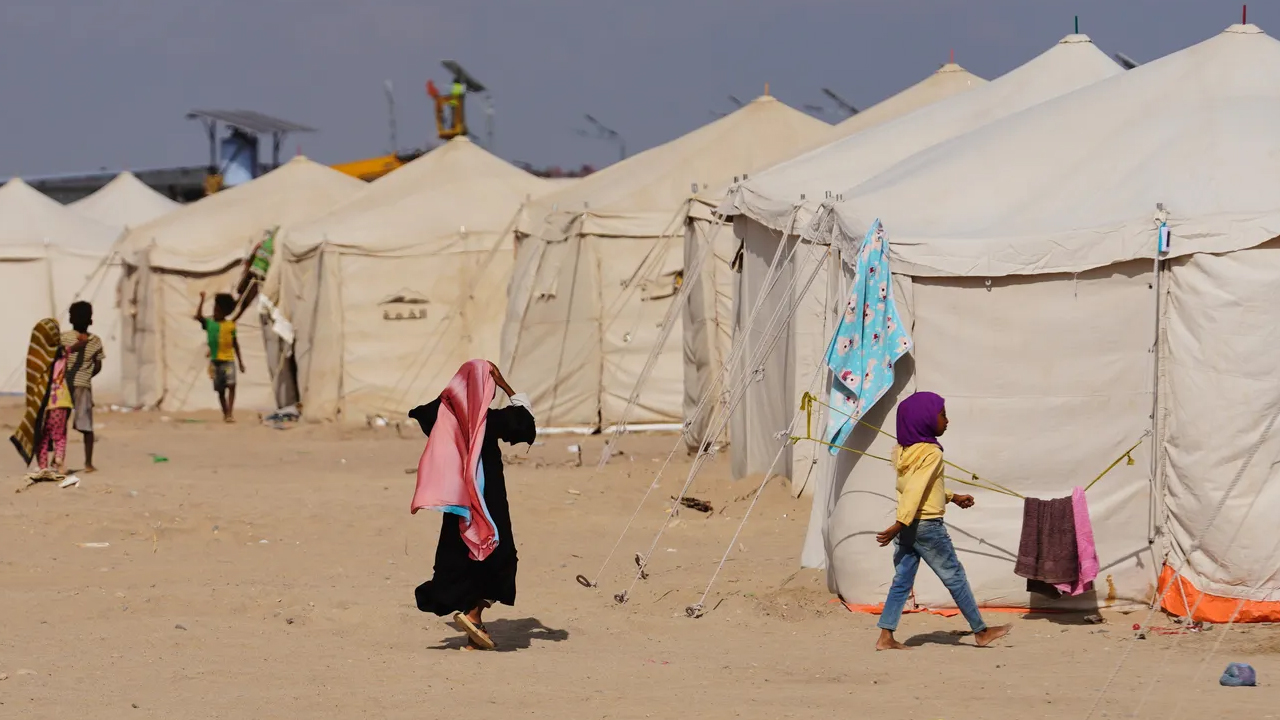
Approximately 1.2 million Rohingya refugees are currently living in various refugee camps in Cox's Bazar, Bangladesh. For this displaced community, which has endured years of uncertainty, the verdict represents more than a legal decision. It carries significant hopes for justice and international recognition.
However, the court's verdict alone will not guarantee their repatriation. The ongoing conflict in Myanmar's Rakhine State, the Arakan Army's control, security concerns for the Rohingya and uncertainty surrounding their citizenship remain major obstacles to their return.
The International Court of Justice's verdict is final and cannot be appealed. However, the court cannot impose prison sentences on individuals. The case primarily concerns determining Myanmar's responsibility as a state under international law.
A ruling in favour of The Gambia could provide renewed momentum to the Rohingya community's demand for justice. However, effective international action will also be necessary to ensure their safe repatriation, citizenship rights and the opportunity to rebuild normal lives.
Advertisement
Most Readed - International
- Bangladesh Aims to Launch Indigenous Satellite into Space Within Three Years
- Bari Siddiqui: The Voice Behind ‘Shua Chan Pakhi’ and the Untold Story of a Legendary Folk Musician
- Rohingya Genocide Case: ICJ to Deliver Historic Verdict Against Myanmar Today
- Cyclone ‘Akvan’: Signal No. 3 Issued at Four Bangladesh Seaports
- UN Expresses Concern Over Attacks on Grameen Bank, Calls for Thorough Investigation
- Pakistan Plans to Divide Four Provinces into 14, New Map Under Discussion
- Legal Notice Sent to Government to Bring Sheikh Hasina Back from India
- Robert Pattinson Announced as the New James Bond, Replacing Daniel Craig
- US Intelligence Claims Iran Is Planning a Dirty Bomb Attack in Washington
- Garment Workers’ New Minimum Wage Meeting Rescheduled for November 23
- Notice Regarding October 29 HSC Result Publication Is Fake: Board Issues Warning
- From Shah Rukh to Salman: The Security Categories Assigned to Top Bollywood Stars
- Who Can Get a Free Verified Badge on Facebook? Eligibility and Conditions
- Body of former Flight Lieutenant—who released a video of Sheikh Hasina’s departure recovered!
- Two Warranted Accused Arrested in Khoksa Police Raids, Including Zakir Hasan Masud
- Physics Tests Completed for Rooppur’s First Unit; Awaiting the Next Phase Toward Power Generation
- Minimum Wage Board to Meet on November 9 to Determine New Wages for Garment Workers
- Government to Provide Up to 2 Million Taka to Young Entrepreneurs; Applications Open in 56 Districts
- Hanging Body of Businessman Recovered from His Own Warehouse in Khoksa
- Garment workers block roads once again, demanding fair wages