Amid Rising Tensions, U.S. and Iran Set to Face Off Again in Geneva

Published: 11:36 23 February 2026
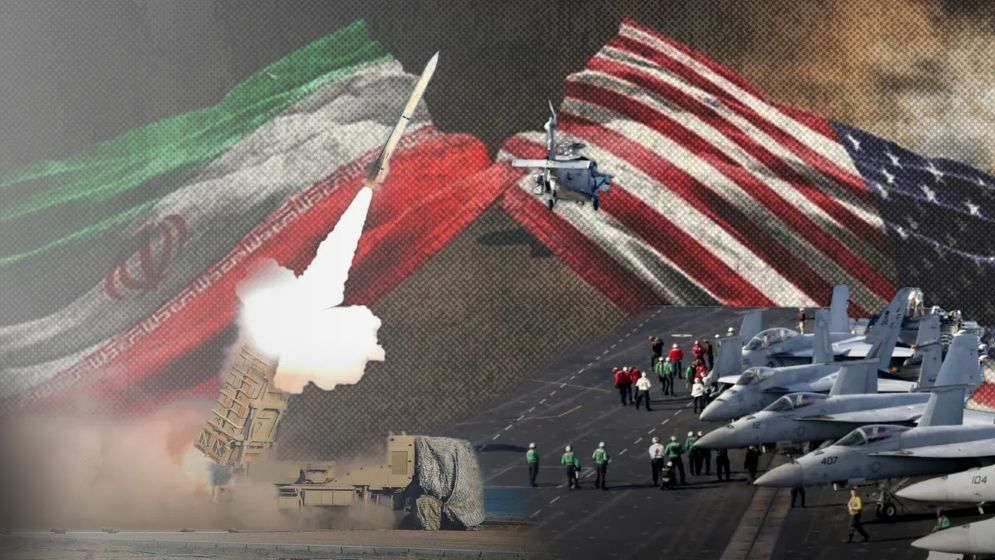
Amid escalating military tensions in the Middle East, the United States and Iran are making another attempt to return to diplomacy. A third round of indirect nuclear talks between the two countries is scheduled to take place in Geneva, Switzerland, on Thursday (February 26). The renewed engagement aims to break the prolonged deadlock and move toward a workable agreement.
The talks were confirmed by Oman’s Foreign Minister Badr al-Busaidi. Oman has been playing a mediating role in facilitating dialogue between Washington and Tehran. According to Muscat, there is no viable alternative to negotiations in resolving the ongoing crisis, and recent exchanges between the two sides offer cautious optimism.
Iranian President Masoud Pezeshkian has expressed measured hope regarding the discussions. He stated that previous rounds produced “encouraging signals” and involved the exchange of practical proposals. However, he also emphasized that while Tehran supports a peaceful resolution, it remains fully prepared to respond to any potential scenario.
Meanwhile, Washington has maintained a firm stance. The United States has significantly increased its military presence in the Persian Gulf region. U.S. President Donald Trump’s special envoy Steve Witkoff said in a recent interview that pressure on Tehran will continue. He questioned why Iran has yet to agree to limit its nuclear program, noting that the issue remains a key concern for the administration. Reports indicate that U.S. air and naval deployments in the Middle East have reached their highest levels since the 2003 Iraq War.
Iran’s Foreign Minister Abbas Araghchi responded sharply to Washington’s military posture. He described nuclear technology as a matter of national pride and scientific achievement for Iran, attained through significant sacrifice. At the same time, he suggested that a deal even stronger than the 2015 nuclear agreement could be possible—one that guarantees the peaceful nature of Iran’s nuclear program in exchange for the full lifting of economic sanctions.
Analysts remain divided over the prospects of success. Quincy Institute for Responsible Statecraft co-founder Trita Parsi argues that Israeli influence has led the Trump administration to underestimate Iran’s capabilities and make unrealistic demands, complicating the negotiation process. At the same time, Israel continues to press Washington to dismantle Iran’s ballistic missile program.
Overall, the Geneva meeting will unfold against the backdrop of parallel diplomatic efforts and heightened military readiness. Its outcome could either pave the way for renewed regional stability or deepen uncertainty across the Middle East.
Advertisement
Most Readed - International
- Actress Niti Taylor makes explosive allegation: Propositioned for sexual favors in exchange for work
- Hashmatullah leaves the field after injury while batting against Bangladesh
- Bangladesh Bank Offers Special Loan Facilities and Opportunities for Small Entrepreneurs
- Dilip Ghosh Alleges Bangladesh's Involvement in Indian Protests
- Government Working on Training and Rehabilitation of Expatriates Returning Home: Nur
- Rice prices rise by up to Tk 3 per kg; no relief in egg and chicken markets either
- Aamir Khan's niece reveals injury marks after detention in Mumbai
- Rashed Khan Accuses Jamaat Leader’s Advisor Over Defacement of Rabindranath Graffiti
- Messi Picks 10 Future Football Stars: Who Made the List?
- Preparations for fresh protests in Delhi; 'Cockroach Janata Party' gives police a 24-hour deadline
- Fuel for Rooppur Nuclear Power Plant Arriving in Bangladesh Today
- Cybercriminals Claim to Possess Data of 19 Million Pathao Users; $400,000 Ransom Demanded
- Messi bids farewell with a goal and assists, showered with love by teammates
- Ronaldo faces risk of 6-month ban for leaving national team camp
- Ronaldo shares emotional message upon Messi's retirement, expressing 'utmost respect'
- Jamuna Fertilizer Factory Shuts Down Again Just Two Days After Resuming Operations
- Countless Decembers will come and go, but Sheikh Hasina will not return to the country: Rashed Khan
- Three-Day Mosquito Eradication Drive Begins in Savar's Bongaon
- Price of Low-Tier Cigarettes Raised Again; 10 Sticks Now Cost Tk 65
- Love, Resentment and ‘Write to the Address of the Sky’: The Untold Story of Rudra and Taslima