Polao rice price doubled, export or artificial crisis?

Published: 02:09 4 September 2026
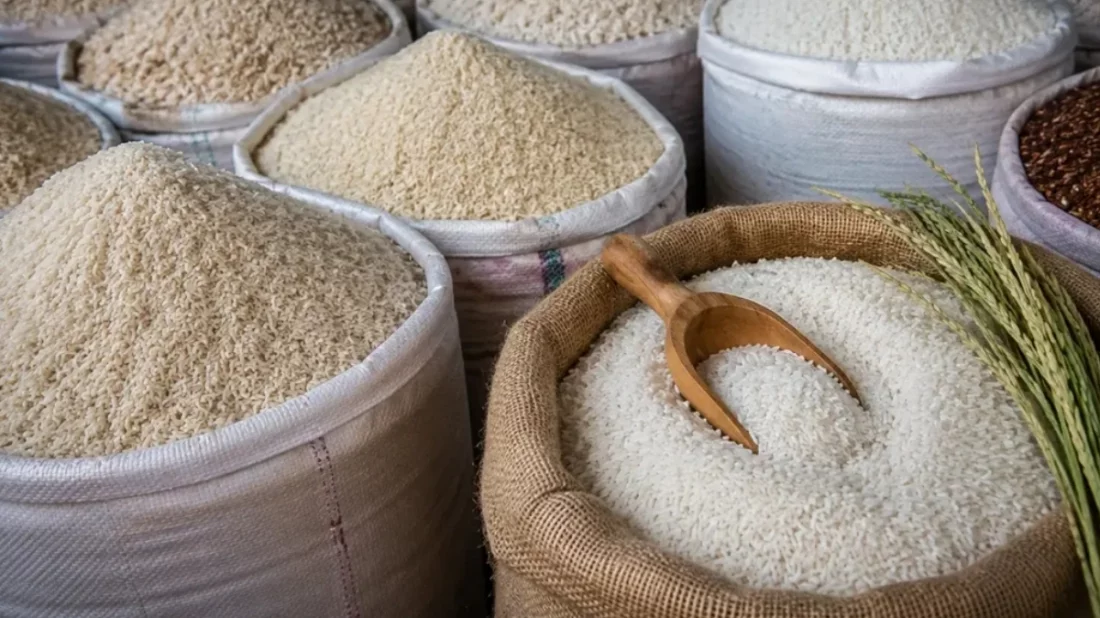
Polao was once a common dish for domestic gatherings. However, now you have to pay 200 to 230 taka per kg to buy polao rice. The price has almost doubled in just six months. Currently, packaged polao rice is being sold in the capital's market for 210 to 230 taka and loose rice for 180 to 200 taka per kg. A month ago, packaged rice was priced at 120 to 130 taka and loose rice at around 110 taka.
A section of market participants say that since the approval for the export of fragrant rice was increased, the supply in the domestic market has decreased and the price has increased. In the current fiscal year, 278 companies have been given permission to export a total of 45,320 tons of fragrant rice in two phases. In the last fiscal year, this amount was 23,959 tons. That is, the export approval has almost doubled in a year. However, exporters claim that such a crisis should not occur in the domestic market due to the small amount of exports.
According to exporters, the country produces about 1 million tons of fragrant rice annually, while the domestic demand is about 400,000 tons. As a result, there is a surplus of about 600,000 tons. On the other hand, a section of market traders allege that large mills and corporate institutions have purchased and stored a large amount of rice during the production season. Later, the price of rice was increased citing the increase in the price of rice. The price of a 50-kg bag of good quality sugar-powdered rice has also increased from Tk 7,500 to Tk 9,500 in a month.
CAB President AHM Shafiquzzaman believes that there is no scope to see exports as the only reason for the crisis in the rice market. According to him, since the production of fragrant rice in the country is higher than the demand, such a big crisis should not be caused by exports. Rather, a class of traders can use exports as an excuse to increase prices. As a result, to know the real reason for the increase in the price of Polao rice, monitoring of production, storage, export and market supply is necessary.
Advertisement
Most Readed - Finance & Trade


- Explosive Revelations of Secret Funds and Covert Operations
- Notice Regarding October 29 HSC Result Publication Is Fake: Board Issues Warning
- Scaloni to Remain at the Helm for Argentina; Contract Extended Through 2030 World Cup
- A Novel Form of Robbery: Young Man Forced to Take Out an Instant Loan via App
- Open All the Windows: The Life Story of a Freedom Fighter, Told Through Music
- Bangladeshis Forced into War in Russia Under Pretext of Employment
- Excessive Drinking After Separation: Yuzvendra Chahal Spent 26 Days in Rehab
- Severe Fuel Crisis in Yemen: 1.6 Million Children in Taiz Face Risk to Drinking Water Supply
- Today is Bijoya Dashami; the Sharadiya Durgotsav concludes with the immersion of the idols.
- Who Can Get a Free Verified Badge on Facebook? Eligibility and Conditions
- Fuel for Rooppur Nuclear Power Plant Arriving in Bangladesh Today
- Cybercriminals Claim to Possess Data of 19 Million Pathao Users; $400,000 Ransom Demanded
- Jamuna Fertilizer Factory Shuts Down Again Just Two Days After Resuming Operations
- Messi bids farewell with a goal and assists, showered with love by teammates
- Ronaldo faces risk of 6-month ban for leaving national team camp
- Hasnat Questions the Source of Salahuddin’s Wealth, Demands Transparent Accounting
- Ronaldo shares emotional message upon Messi's retirement, expressing 'utmost respect'
- Countless Decembers will come and go, but Sheikh Hasina will not return to the country: Rashed Khan
- Houthis Claim Third Attack on Riyadh Airport; Aircraft Damaged
- Three-Day Mosquito Eradication Drive Begins in Savar's Bongaon