Heart disease, weight and cholesterol: The unknown truth about cooking oil

Published: 01:09 18 December 2025
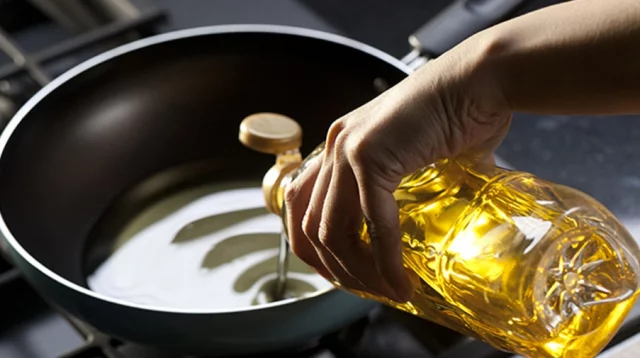
Cooking oil is an essential component in almost every kitchen. Choosing the right oil is not just about flavor; it is crucial for long-term health, including heart, brain, and overall well-being. With so many options available—olive, coconut, canola, flaxseed, sunflower, and more—it can be confusing to know which oil is healthiest and which oil is suitable for different types of cooking.
In this comprehensive guide, we’ll explore the nutritional benefits, best uses, health effects, and storage tips for the most common cooking oils to help you make informed choices for a healthier lifestyle.
Olive Oil
Olive oil is widely regarded as one of the healthiest oils. Extra virgin olive oil (EVOO) is particularly beneficial for the heart and brain. It is rich in monounsaturated fats and antioxidants, which help control cholesterol, reduce inflammation, and lower the risk of heart disease.
However, heat tolerance is important. The smoke point of extra virgin olive oil is around 160–190°C (320–374°F). Cooking beyond this temperature can degrade its beneficial compounds and produce harmful free radicals.
Best Uses:
- Drizzling over salads
- Lightly sautéing vegetables
- Adding to dishes after cooking
- For high-heat cooking, refined olive oil can be used, though some nutrients are lost.
Regular use of olive oil has been linked to better heart health, improved blood pressure, and reduced cancer risk. It also supports brain function and cognitive health.
Coconut Oil
Coconut oil has gained popularity as a “superfood,” but it remains controversial among experts. It is high in saturated fats, which may raise cholesterol levels and increase the risk of heart disease if used excessively. However, it contains lauric acid, which can increase “good” HDL cholesterol in some cases.
Best Uses:
- Occasional sautéing, baking, or frying
- Flavor enhancement in specific dishes
- Not recommended for daily use due to high saturated fat content
Coconut oil is best used for occasional culinary purposes, rather than as a primary cooking oil. High-heat cooking can degrade its nutritional value and create harmful compounds.
Canola Oil
Canola oil is an affordable, widely available alternative to olive oil. It is low in saturated fat and rich in omega-3 fatty acids, which are essential for heart and brain health.
Best Uses:
- Light to medium-heat cooking
- Adding to salads for a mild flavor
- Stir-frying or sautéing
Regular consumption of canola oil may help reduce inflammation, support cardiovascular health, and maintain healthy blood pressure.
Flaxseed Oil
Flaxseed oil is extremely rich in omega-3 fatty acids, making it very beneficial for heart and brain health. However, it has a low smoke point and is not suitable for high-heat cooking.
Best Uses:
- Drizzling over salads or soups
- Adding to dishes after cooking
- Smoothies or cold preparations
Consuming flaxseed oil regularly can help control cholesterol, reduce inflammation, and support overall cardiovascular and brain health.
Sunflower Oil
Sunflower and other seed oils are generally high in omega-6 fatty acids. While excess omega-6 can be harmful, when consumed in balance with omega-3, it is safe. Sunflower oil has a high smoke point of approximately 232°C (450°F), making it suitable for frying and high-heat cooking.
Best Uses:
- Frying and deep-frying
- High-heat sautéing
- Use in moderation to maintain omega-6 balance
Sunflower oil, when used properly, supports heart and brain health, but excessive use may increase inflammation if omega-6 intake is unbalanced.
Choosing Oils According to Cooking Type
Every oil has a specific purpose, and no single oil is ideal for all types of cooking. Health experts generally recommend:
- Light cooking or salads: Extra virgin olive oil
- Medium-heat cooking: Canola oil
- Frying or high-heat cooking: Sunflower oil
- Occasional or specialty use: Coconut oil
Using oils according to their strengths preserves nutrients and ensures healthier meals.
Proper Storage of Oils
Proper storage is as important as choosing the right oil:
- Keep oils in a dark, cool, dry place
- Avoid exposure to air, as oxidation can degrade oils
- Check the expiration date and use oils before they go rancid
- Protect from sunlight, which can reduce nutritional quality
Common Mistakes with Cooking Oils
- Overheating oils: Extra virgin olive oil and flaxseed oil lose nutrients at high temperatures
- Daily coconut oil use: High saturated fat may increase heart disease risk
- Imbalanced omega-6 intake: Excess sunflower or seed oils without omega-3 can promote inflammation
Choosing the right cooking oil is an essential part of a healthy lifestyle. Each oil has its advantages and limitations:
- For light cooking or salads: Extra virgin olive oil
- For medium-heat cooking: Canola oil
- For frying or high-heat cooking: Sunflower oil
- For occasional or specialty use: Coconut oil
Mindful use of oils based on cooking type and quantity can promote heart, brain, and overall health. By understanding the properties and proper use of each oil, you can make healthier cooking choices for yourself and your family.
Advertisement

Most Readed - Health

- Heart disease, weight and cholesterol: The unknown truth about cooking oil
- Fruits and Vegetables: Essential Nutrition for Your Health
- "Break the India that Hasina leads." "Follow the path of Babur, liberate the Seven Sisters."
- These three things to avoid for a good night's sleep
- EB Chhatra Dal leaders express regret for offensive comments towards teachers
- Why do you feel dizzy after an earthquake? Find out the causes and solutions
- BNP candidate for Narail-1 constituency Biswas Jahangir Alam collected nomination papers today
- Why do tooth sensitivity and gum problems increase in cold weather?
- Shooter Faisal caught through IMEI track, location confirmed in Maharashtra, India
- Nine civilians, including three children, killed in artillery shelling in Diling, Sudan
- JB's law department student Mehnaz not included in BJS gazette
- BNP leader stands by Savar fire victims
- Workshop on Documents and Ledger at IBU
- EB English Department students in trouble for publishing results in violation of rules; Press conference
- Demand for justice for senior beating junior
- EB Chhatra Dal boycotts discussion meeting, angered over lack of festival-cultural program in hall
- EB Chhatra Dal pays tribute on the great Victory Day
- Fair activities started again in Savar under the umbrella of AL leader without permission
- EB student Mehnaz finally gets gazetted in BJS
- Procession demanding nomination of Monirul in Narail-2 constituency